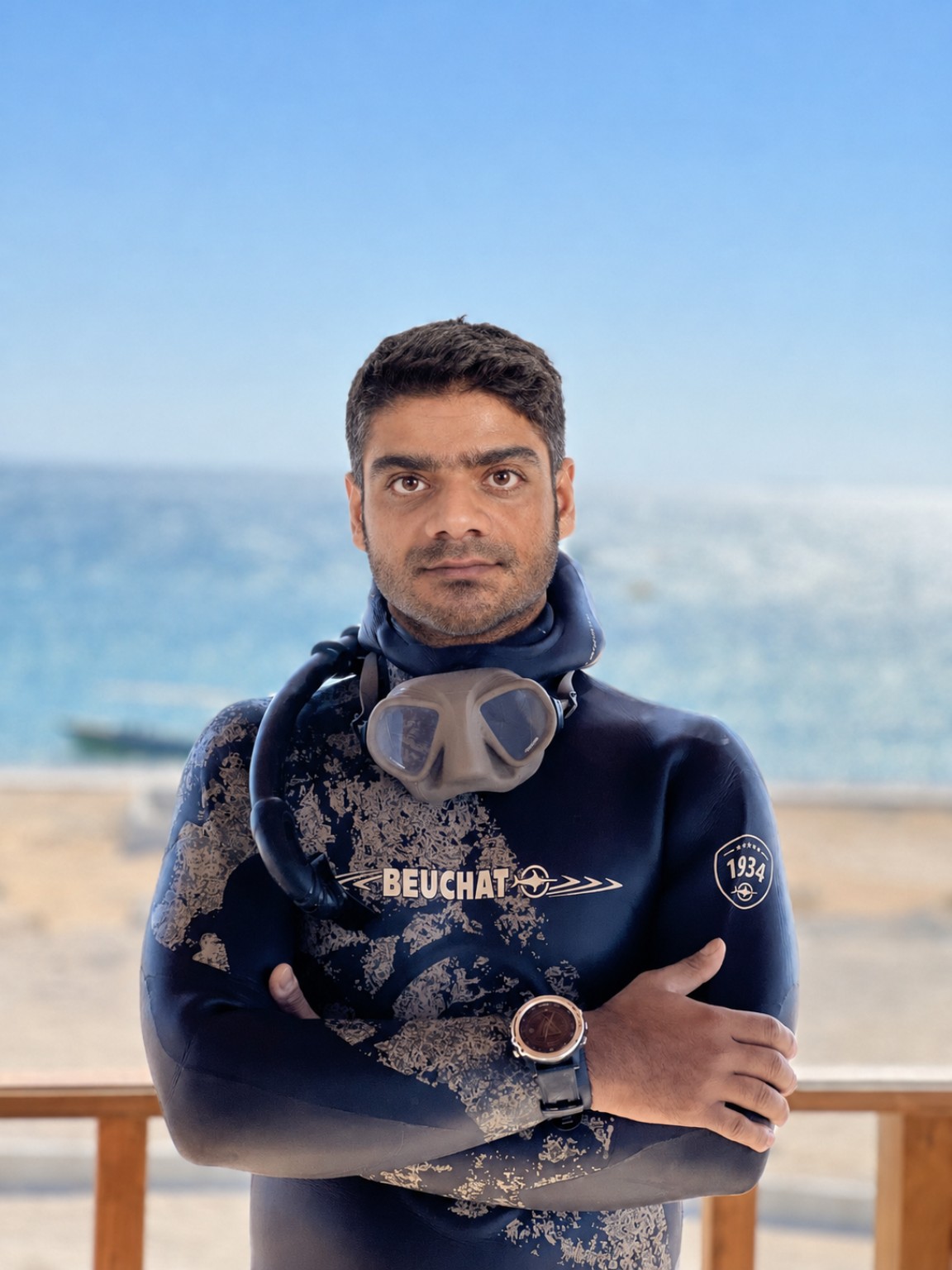
01How do I choose a freediving course or instructor?+
Choose a course or instructor by checking current credentials, safety emphasis, class structure, practical supervision, communication style, and whether the teaching matches your goals. Ask what the course actually includes and how progress is assessed. A credible instructor should help you understand limits rather than promise a specific depth, performance, or transformation.
02Do I need special training to freedive?+
Yes. Special training is strongly recommended before independent freediving. A proper course introduces breath-hold skills, equalization, equipment, pressure, the buddy system, rescue awareness, and recovery. Certification is not a guarantee of competence; it is one part of a learning process that should be followed by practice, feedback, and honest limits.
03Is freediving safe?+
Freediving safety depends on training, supervision, conservative planning, and a competent buddy system. The main risks increase when people dive alone, hyperventilate, ignore equalization problems, or treat breath-hold as a maximum test. A safe approach teaches recognition of limits, surface protocol, rescue awareness, and recovery rather than promising that the activity is risk-free.
04Do I need to know how to swim before taking a freediving course?+
You should be comfortable in the water and able to swim before taking a freediving course, but “good swimmer” is not a single performance label. The exact prerequisite depends on the current course standard and the instructor’s screening. Be honest about your swimming ability so the course can be selected and adapted responsibly.
05Can I freedive if I only want to stay shallow?+
Yes, a person may choose to stay shallow. Shallow water can still involve breath-hold risk, pressure changes, and the need for a trained buddy, so “shallow” does not mean “without safety requirements.” A beginner plan should respect that goal and focus on comfort, technique, and safe supervision rather than pushing toward deep freediving.