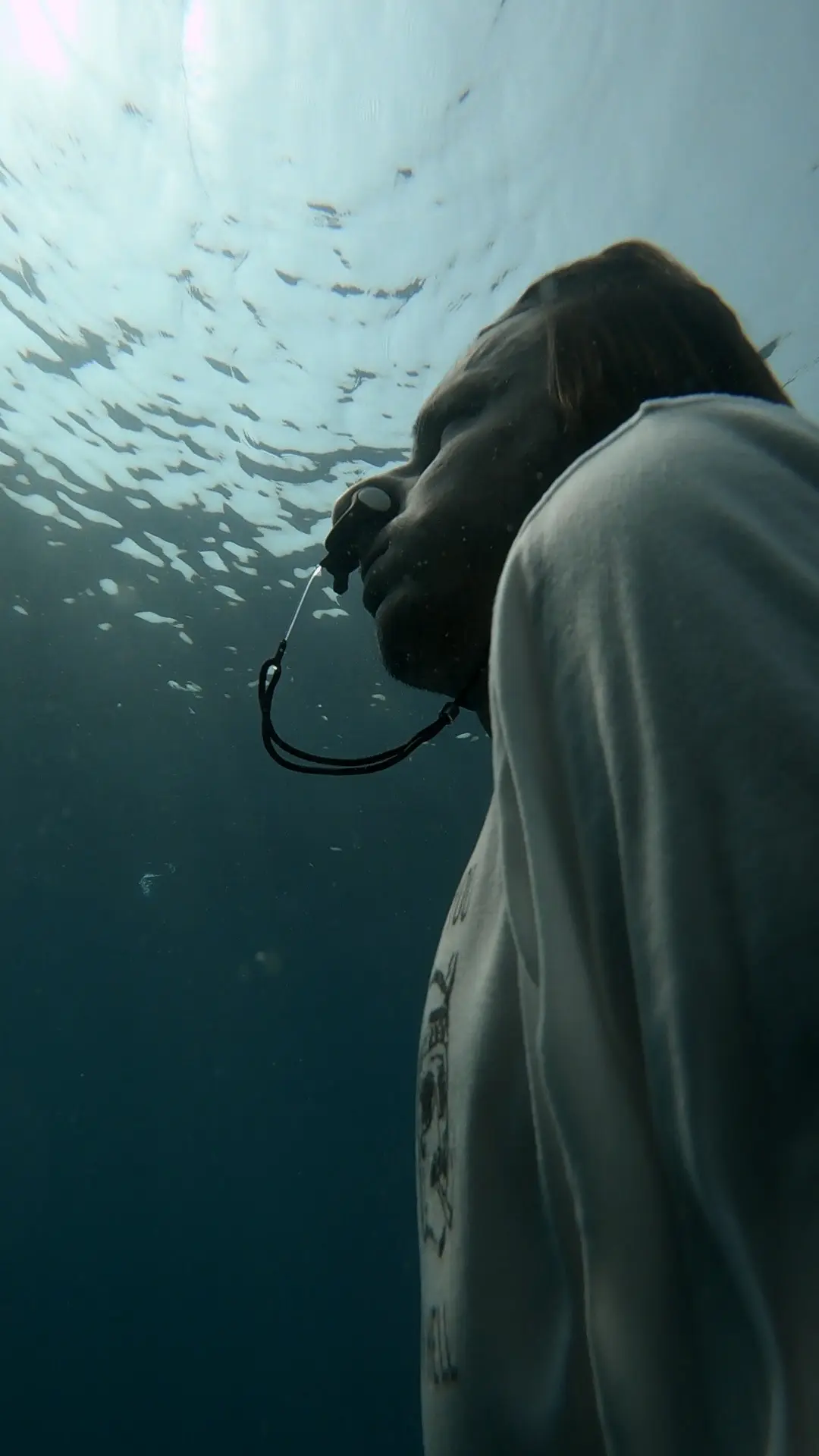
Freediver beside a dive line; photograph with extended water at the sides

Sina Mehrpooyan

The human body, under pressure

Science-led freediving education.

Explore
At 30 m≈4 ATAGas volume≈25%Ideal-gas example · not dive data

BODY

We study the body as our primary instrument.

Understanding anatomy, physiology and biomechanics is essential to freediving performance and safety.

Explore the body
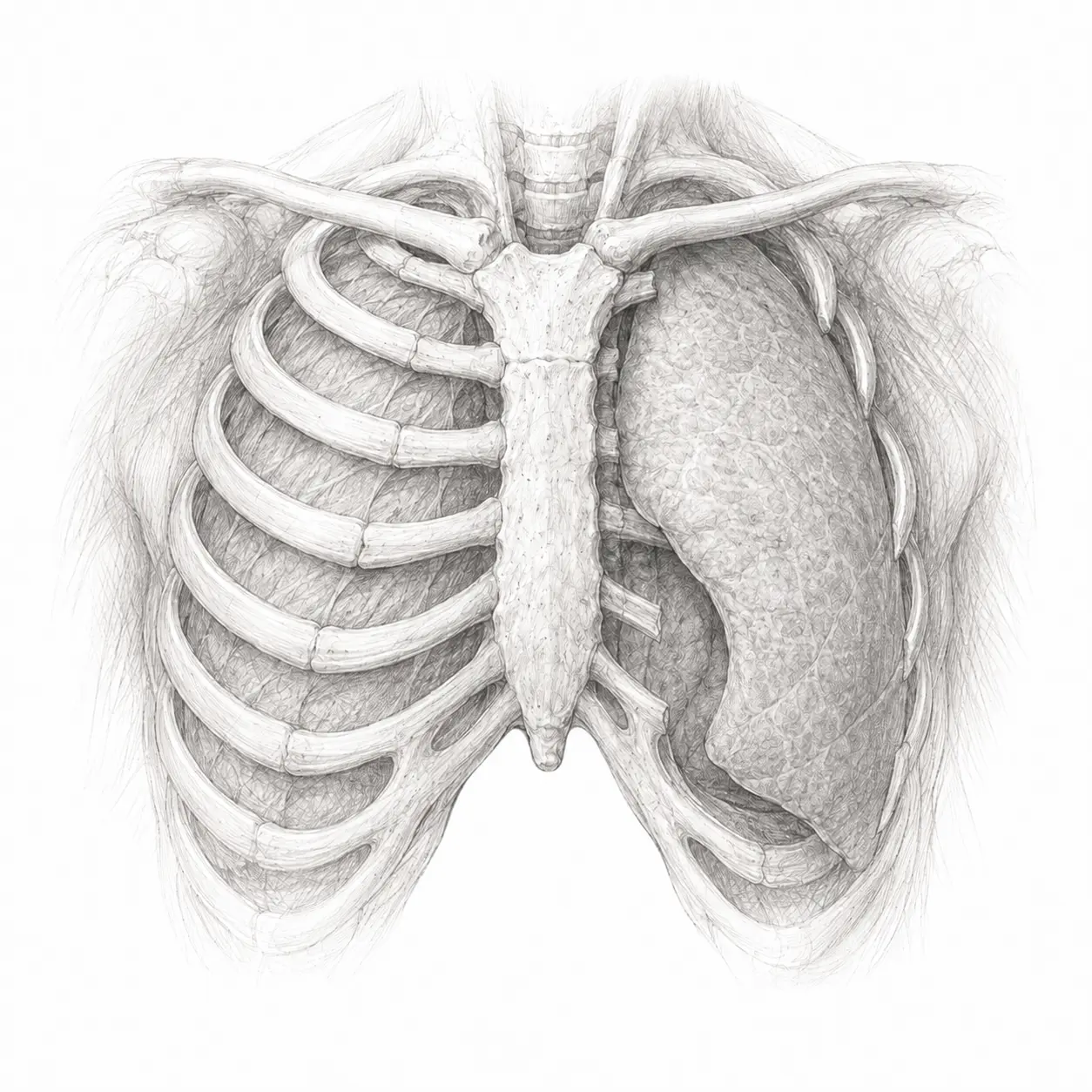
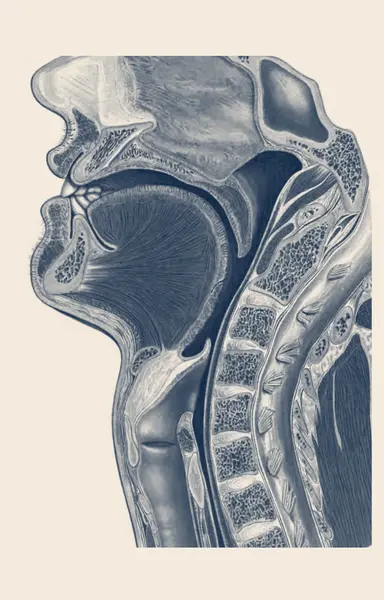
Graphite anatomical study of the chest: pale ribs and a central sternum, with the left lung exposed on the viewer’s right and outer contours fading into paper.
Thoracic cage
Protection of the heart and lungs
Sternum
Anterior midline of the chest
Costal cartilage
Flexible anterior connections
Left lung
Gas exchange
Illustration sources

Physiology

Breath is more than air. It is timing, capacity and control.

Study breathing
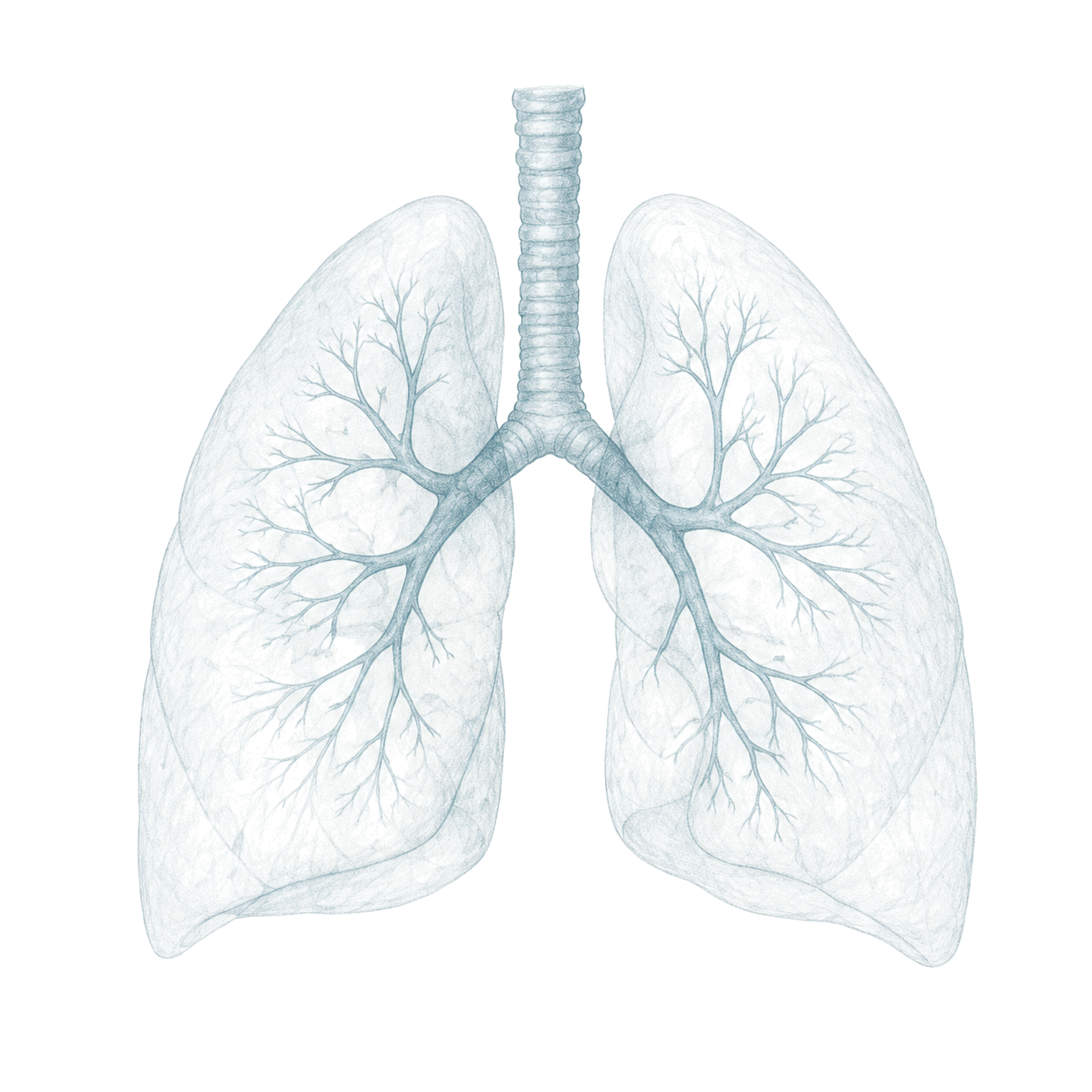
Pale blue-grey anterior pencil study of the lungs, trachea and branching bronchi.
Breath-hold dynamics

At constant ambient pressure

Falling oxygen and rising carbon dioxideQualitative arterial blood-gas partial-pressure trends during breath-holding at constant ambient pressure: oxygen decreases and carbon dioxide increases. Curve shapes and their crossing are illustrative, not measured. No safe duration or safety threshold is shown.Arterial partial pressureTime during breath-hold
O₂ decreasesCO₂ increases

Schematic, not to scale. Not a timer or safety threshold.

Physiology source

BREATH

Physics

Pressure increases with depth. Adaptation makes it possible.

Understand pressure
PRESSURE × GAS VOLUME
02550751001234V / V₀ (%)

Absolute pressure (ATA)

P₁V₁ = P₂V₂ · fixed gas amount & temperature

Model source
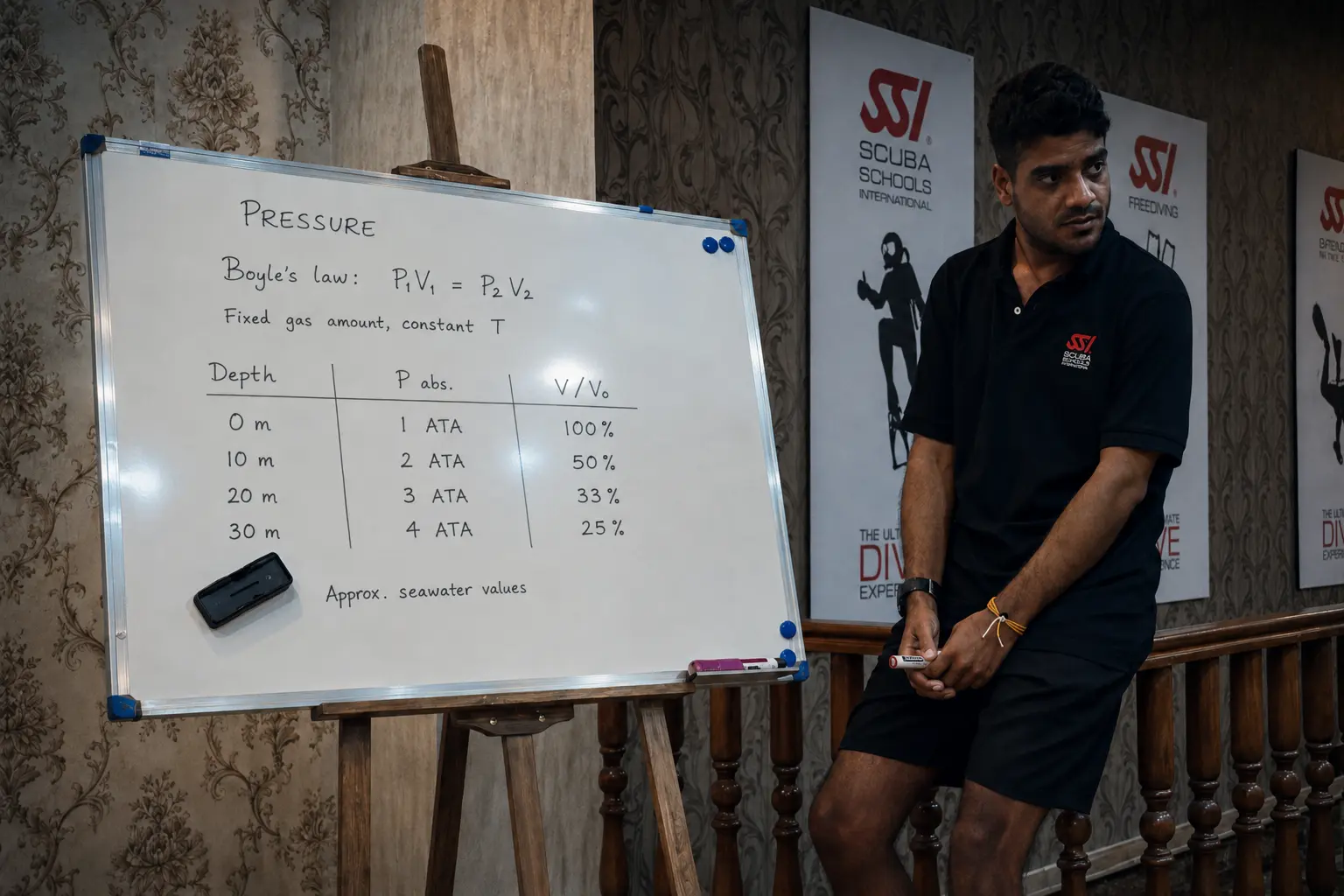
Sina teaching beside the previously edited pressure and Boyle’s law board.
Teaching

Evidence first. Experience always. Curiosity constant.

PRESSURE
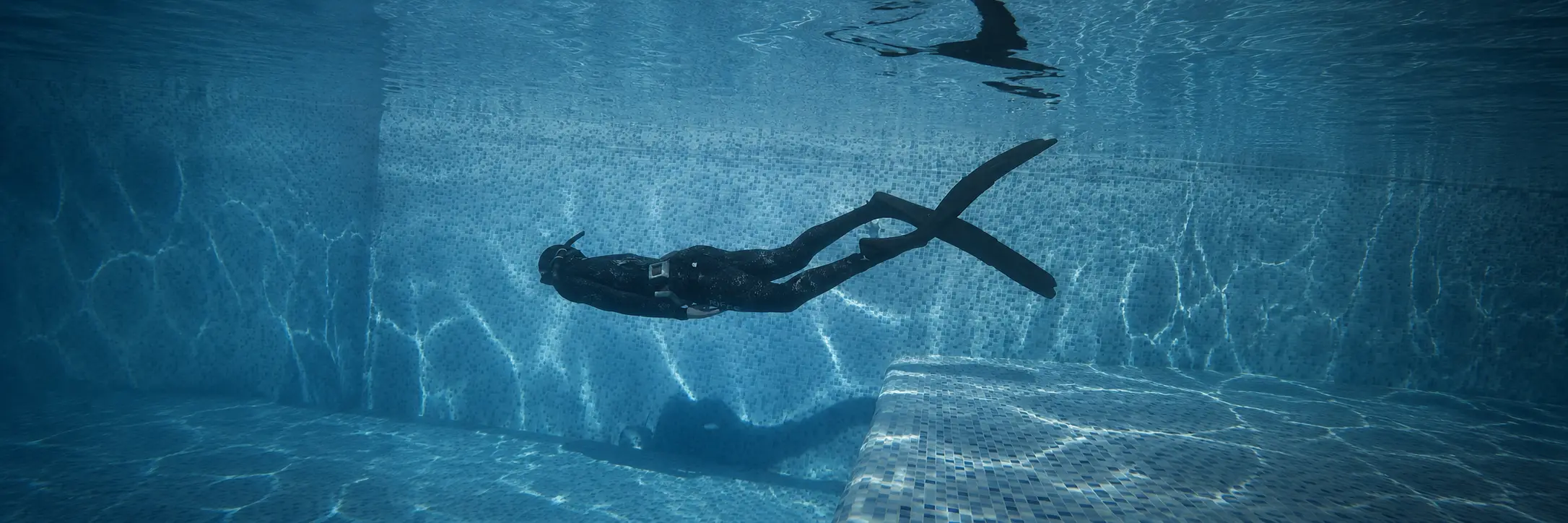
The selected pool photograph: a freediver training with long bi-fins.

Response

The body adapts. We train the right responses.

Learn adaptation
  • Acute response to apnea and immersion
  • Central blood volume and lung compression
  • What training actually changes
  • Progression is stimulus and safeguard

ADAPTATION

DEPTH
Exploration

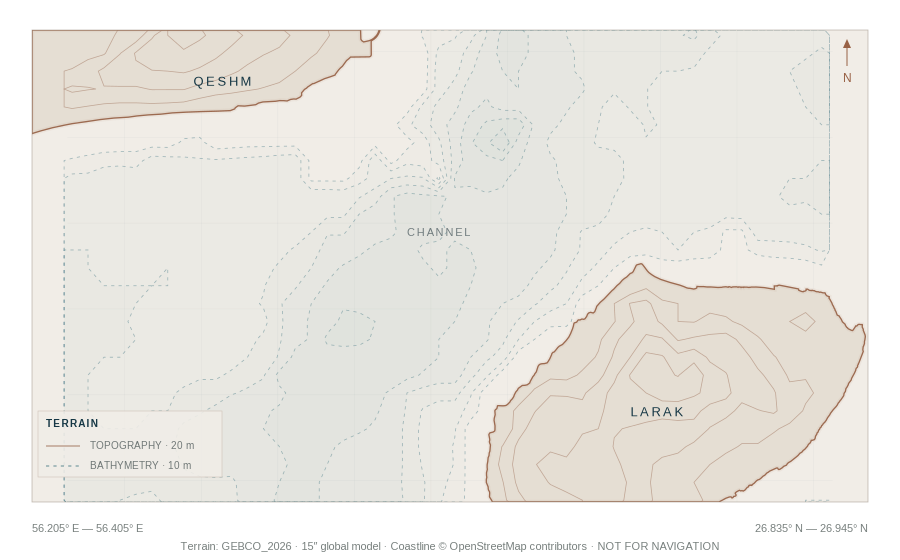
Depth is a laboratory. We collect questions, not just data.

Study depth
Topographic and bathymetric map of the channel between Qeshm and Larak.
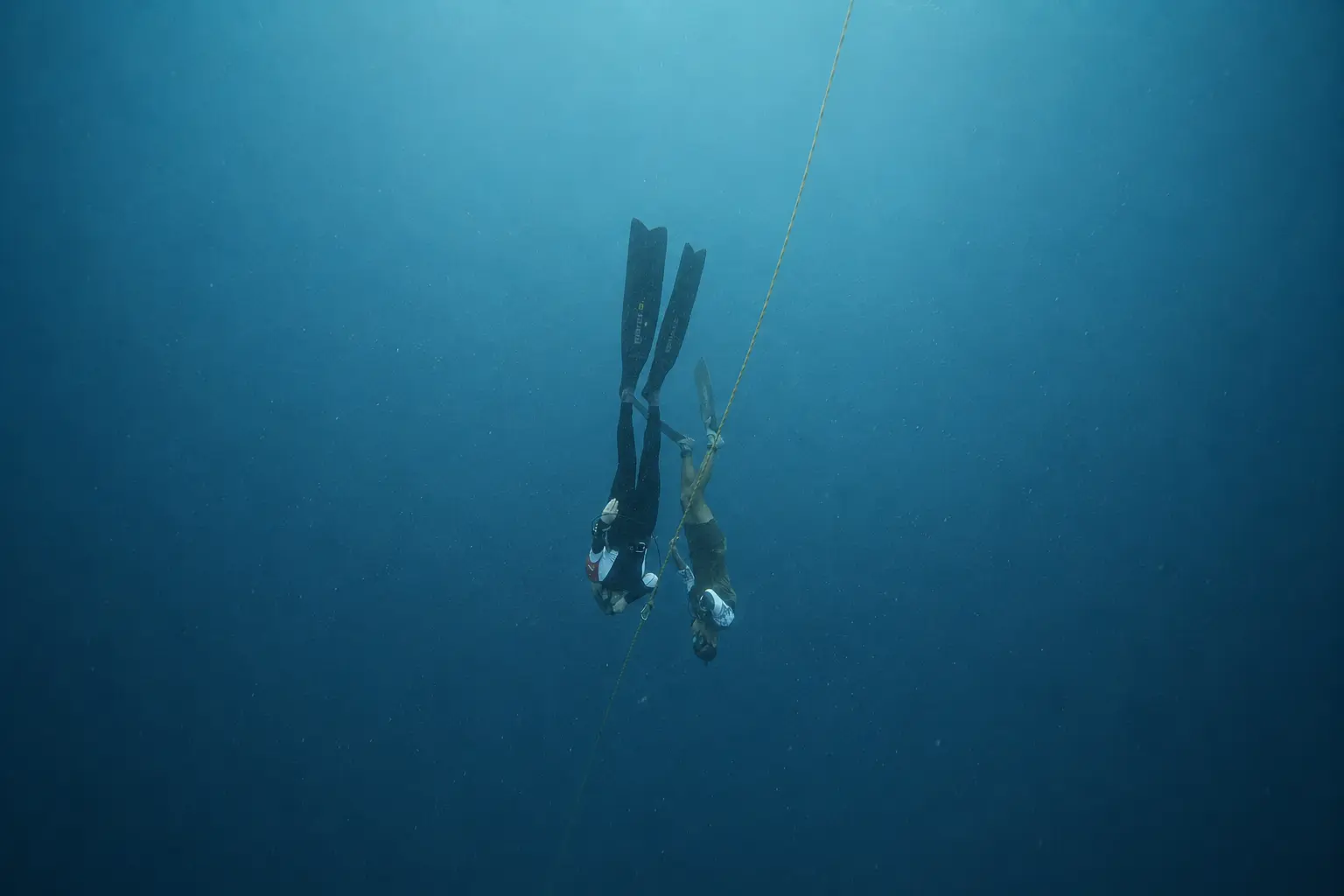
The selected open-water depth photograph, with both freedivers and the dive line visible.

Mastery

Control is the outcome of knowledge integrated into the body.

Develop control
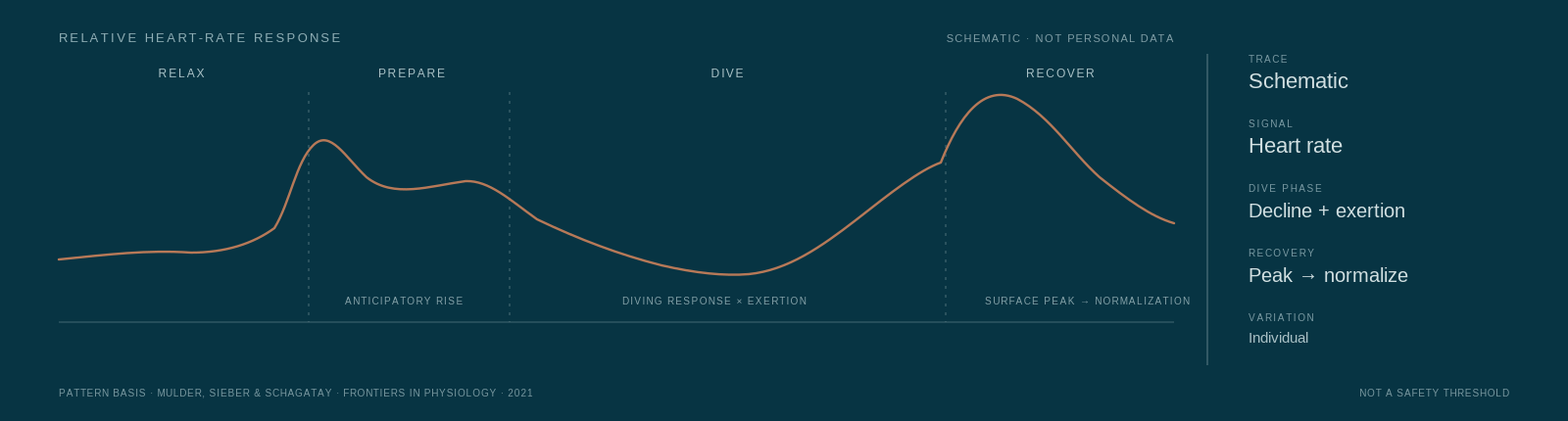
Schematic heart-rate response from relaxation and preparation through the dive and recovery.

CONTROL

Field notes

Critical readings, observations and ideas from the field.

View all articles
Research file 01

The Quiet Ascent Is Not a Quiet Brain

Read article
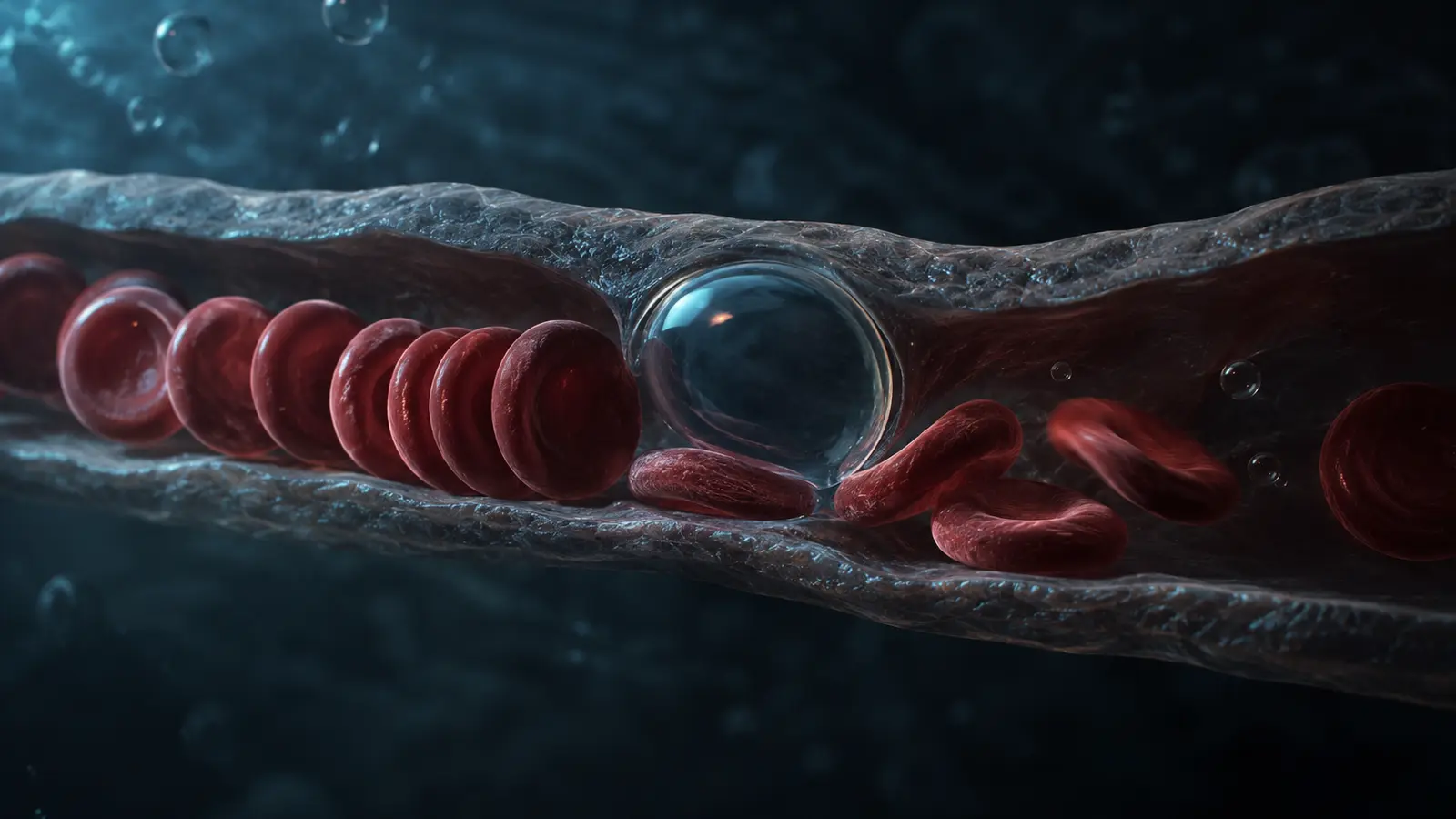
Research file 06

The Bends Without a Tank

Read article
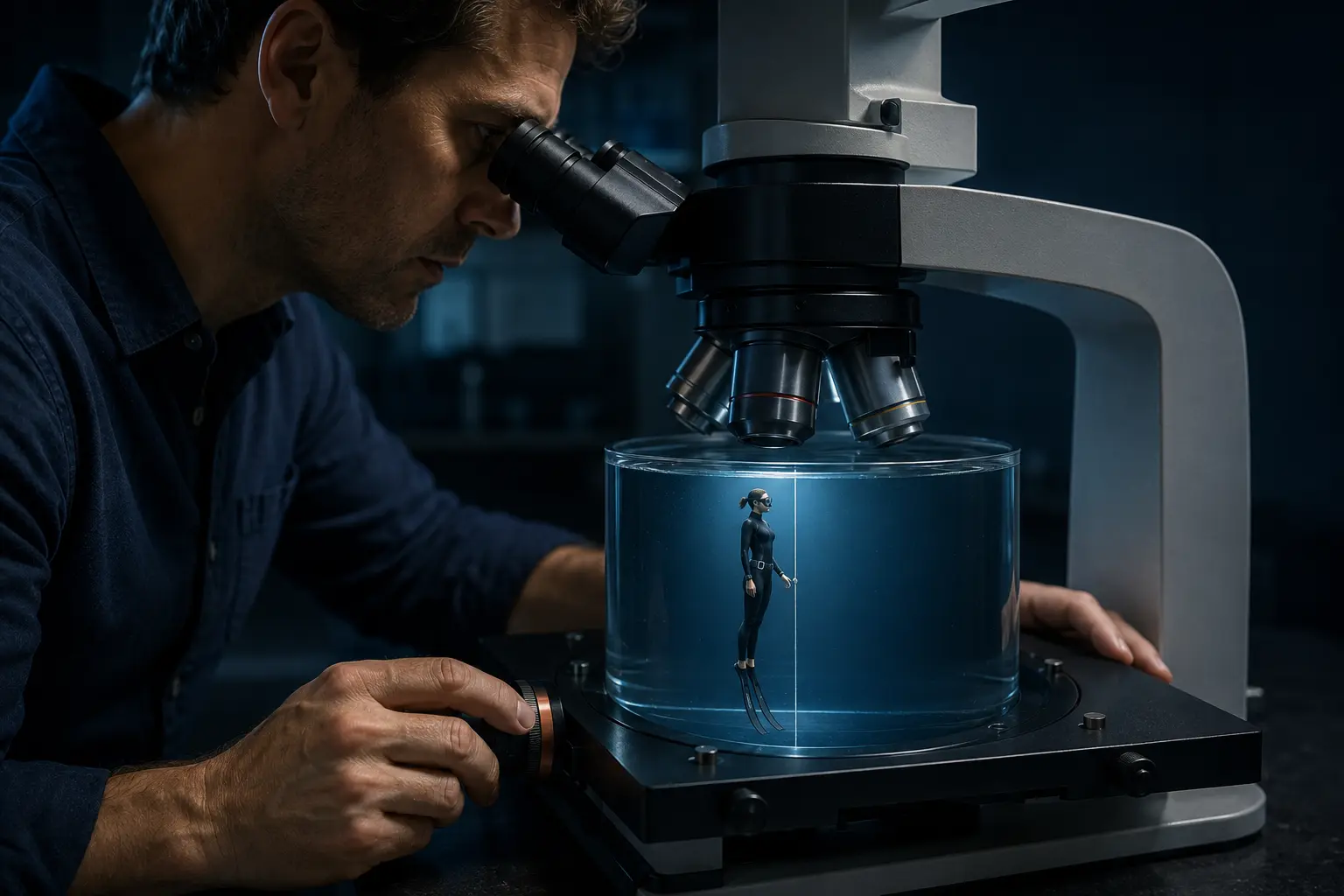
Research file 09

A Field Coming Up for Air

Read article

Related questions

Five answers for what comes next

Questions selected for this page, with concise and clear answers.

01Is freediving safe?

Freediving safety depends on training, supervision, conservative planning, and a competent buddy system. The main risks increase when people dive alone, hyperventilate, ignore equalization problems, or treat breath-hold as a maximum test. A safe approach teaches recognition of limits, surface protocol, rescue awareness, and recovery rather than promising that the activity is risk-free.

02Do I need to know how to swim before taking a freediving course?

You should be comfortable in the water and able to swim before taking a freediving course, but “good swimmer” is not a single performance label. The exact prerequisite depends on the current course standard and the instructor’s screening. Be honest about your swimming ability so the course can be selected and adapted responsibly.

03How long can you hold your breath freediving?

There is no useful universal answer to how long one person can hold their breath. Breath-hold time changes with relaxation, preparation, temperature, health, experience, and the conditions of the session. Training should not be built around a maximum number. An instructor can help you understand breath-hold physiology and practise within a supervised, non-competitive plan.

04How deep can beginners freedive?

Beginner depth should be set by the current course, the environment, the diver’s equalization and technique, and the instructor’s assessment. There is no responsible universal depth target. Early progress should establish comfort, control, and repeatable safety rather than chase a number.

05What equipment do I need to start freediving?

A beginner setup usually includes a well-fitting low-volume freediving mask, snorkel, suitable fins, exposure protection appropriate to the water, and any weighting or safety equipment required for the environment. Open-water training also needs a clear line, surface support, and a trained buddy. The right equipment is selected after fit, conditions, and course needs—not from a shopping list alone.

Explore all FAQs