01 / 10
Freediving mask
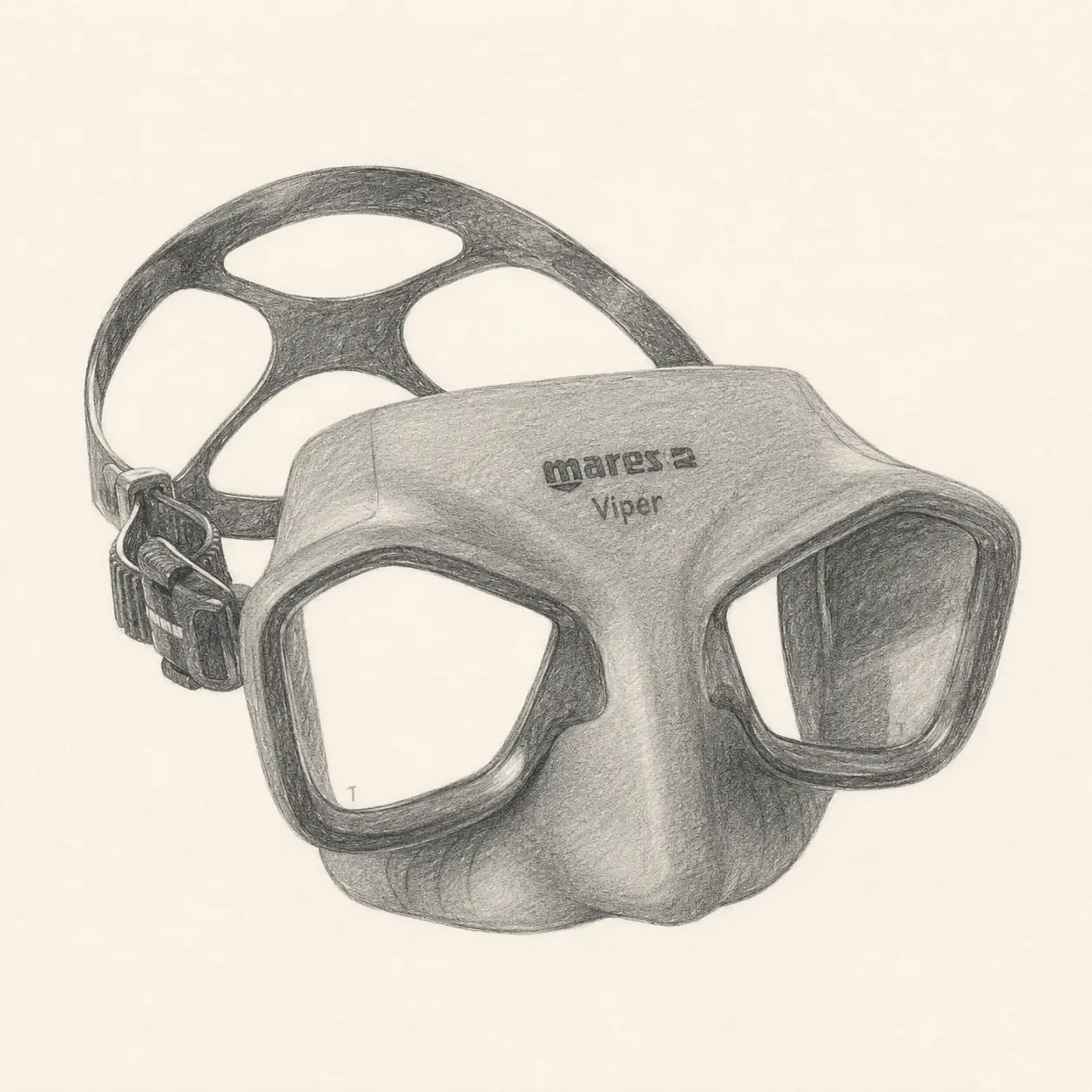
Clear underwater vision begins with the air space a mask creates in front of the eyes. For freediving, a low-volume design is easier to equalize, but the first decision is still fit. The silicone skirt should follow the face without gaps, crowding around the eyes, or pressure points, and the nose pocket should make equalization comfortable. A durable frame, tempered-glass lenses, and a fully silicone skirt are important construction features. An opaque frame and skirt can also reduce distracting sunlight at the surface. Try different shapes and sizes until the mask seals comfortably: a low-volume label alone does not tell you whether a particular model belongs on your face.
Free purchase counselingBack to index ↑02 / 10
Weight systems
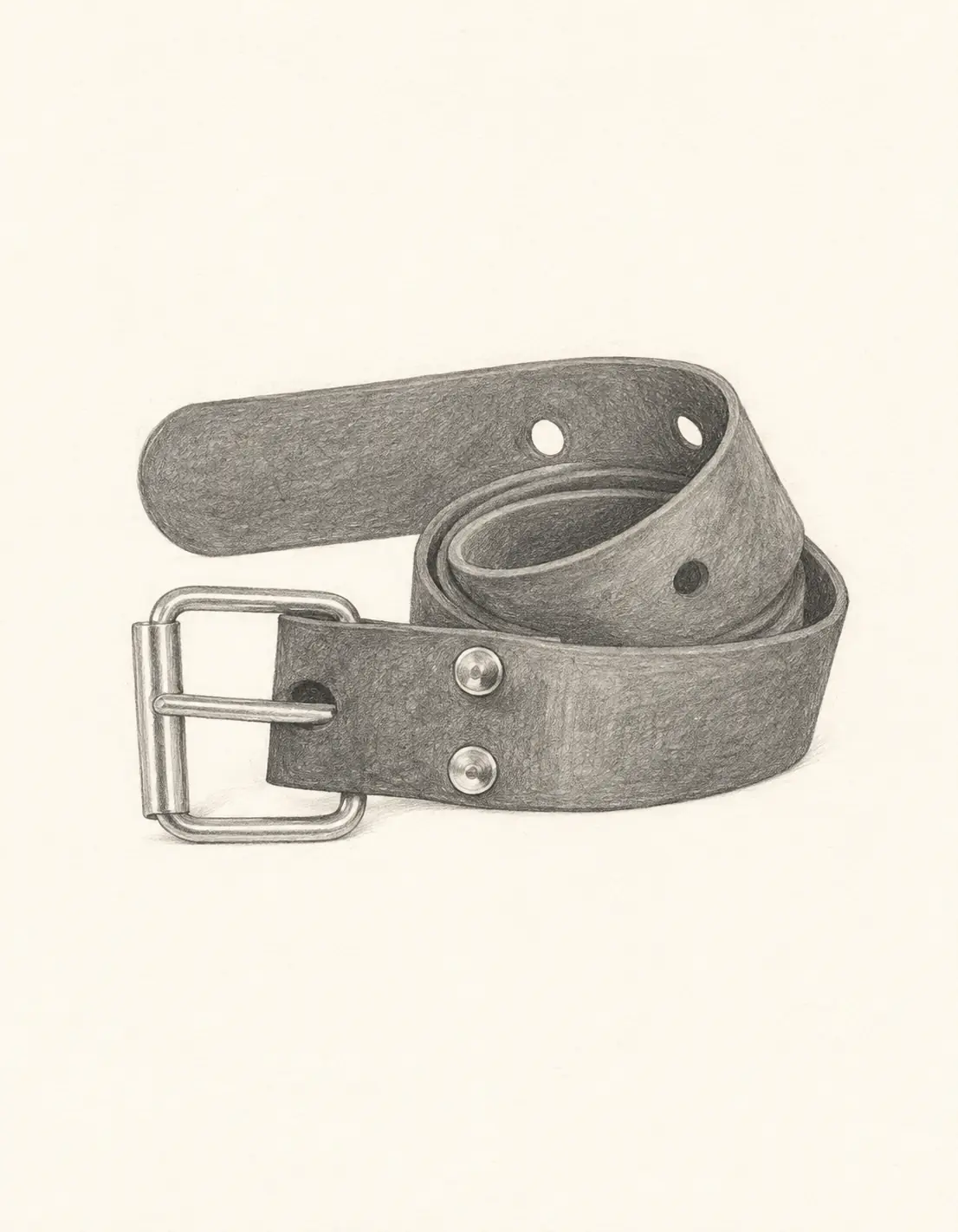
Choosing weights means finding both an amount and a distribution that let the body stay balanced in the water. The options include belts, harnesses, and neck weights. An elastic belt keeps the weights in place as the suit compresses; its buckle should open with one hand. A harness can move weight away from the waist, but is harder to remove and can affect balance. A neck weight shifts the balance toward the head, helping body alignment in dynamic apnea and, in some depth disciplines, free fall; it needs an accessible quick release. The right combination depends on the suit, water, personal buoyancy, and discipline. Constant-weight diving requires less weight than dynamic apnea and positive buoyancy at the surface. Too much weight makes the ascent more demanding, so a familiar setup still needs checking when the suit or location changes.
Free purchase counselingBack to index ↑03 / 10
Freediving fins
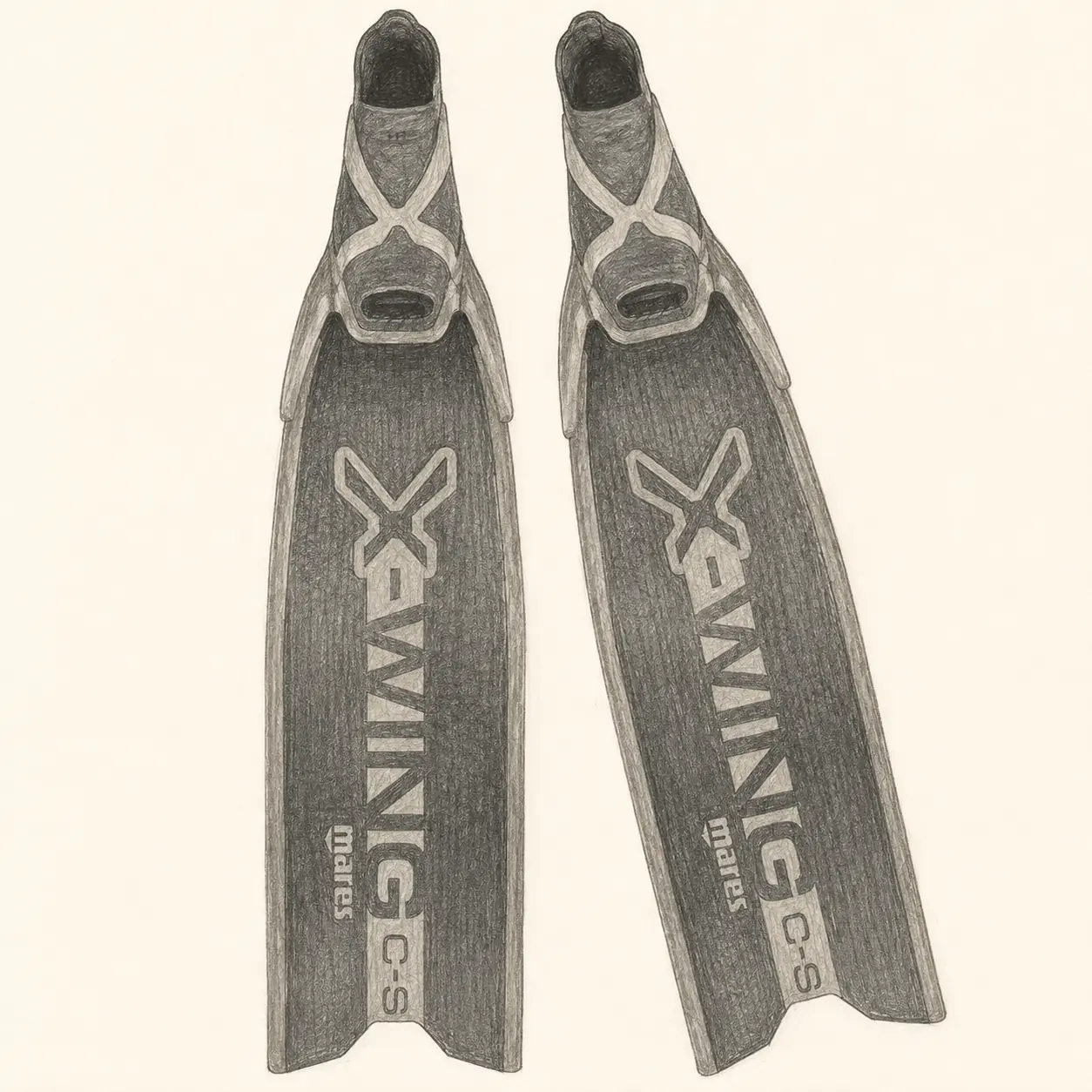
The long blade is only one part of a freediving fin. Its close-fitting foot pocket transfers effort from the leg, while blade flexibility and angle shape how that effort moves water. A pocket that is too loose or too tight can rub and cause blisters. A very stiff blade demands more effort and can tire the legs until good kicking technique becomes difficult to maintain. The blade angle helps compensate for limited ankle flexibility. Plastic, fiberglass, and carbon blades offer different balances of cost and performance. For a new freediver, a standard-size fin with medium-to-soft stiffness is worth considering before choosing on appearance. Selection begins with a comfortable foot pocket and a blade that supports the technique being learned.
Free purchase counselingBack to index ↑04 / 10
Wetsuits
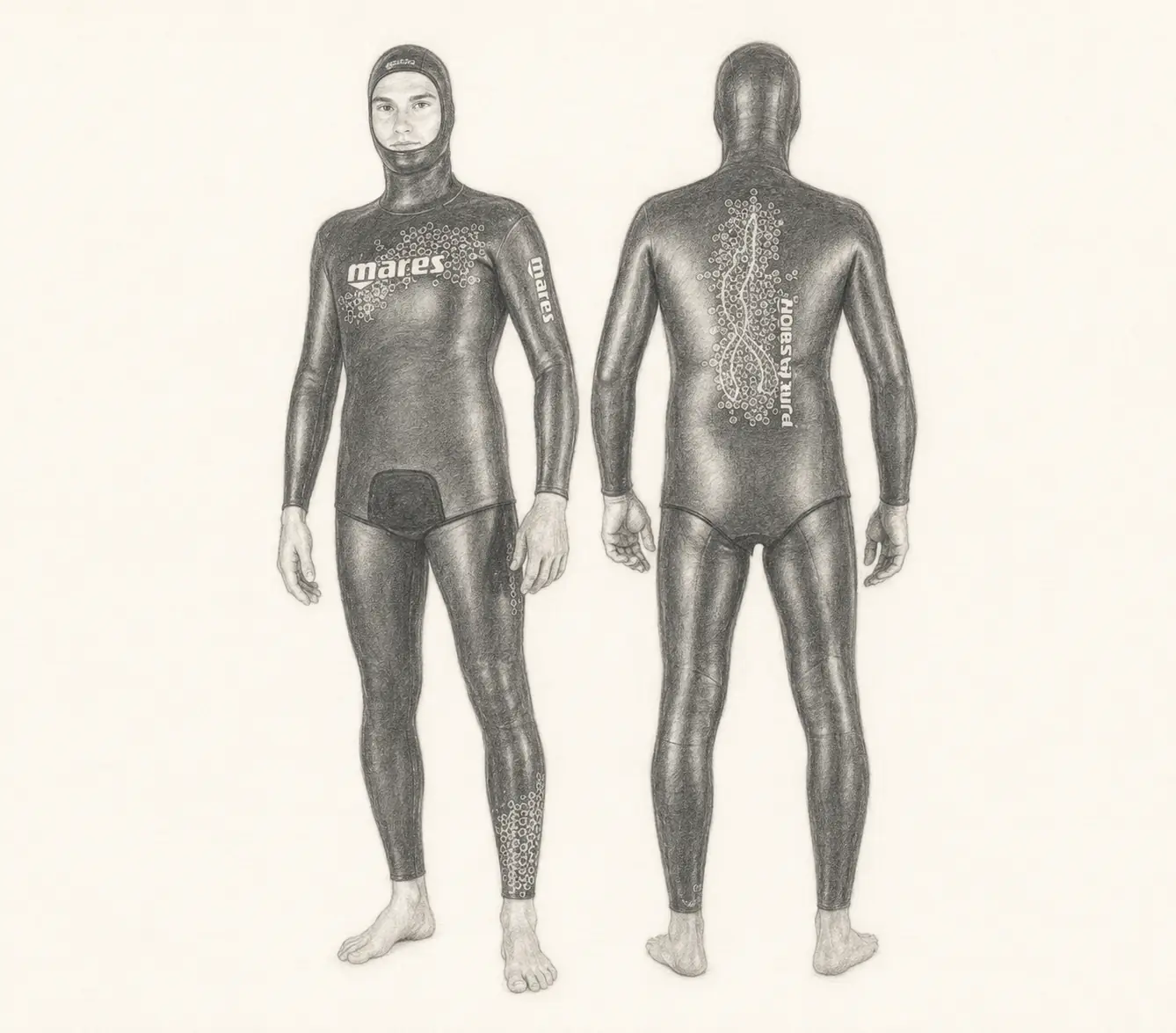
A wetsuit is chosen for the water and the diving you plan to do. A loose fit allows water to circulate and carry heat away; an overly tight fit becomes uncomfortable and can restrict breathing. The common two-piece suit combines high-waisted trousers with a hooded jacket secured between the legs. Single-piece suits generally use a zipper and are often chosen in thinner versions for warm pools or tropical water. Materials bring another choice: an unlined inner surface seals closely and stretches readily, while fabric lining adds durability and makes dressing easier. A smooth outer surface reduces water resistance and dries quickly. This advantage comes with a cost in durability: exposed neoprene tears and abrades more easily and needs protection from prolonged sunlight. Fit, warmth, flexibility, and care all belong in the same decision.
Free purchase counselingBack to index ↑05 / 10
Lanyards
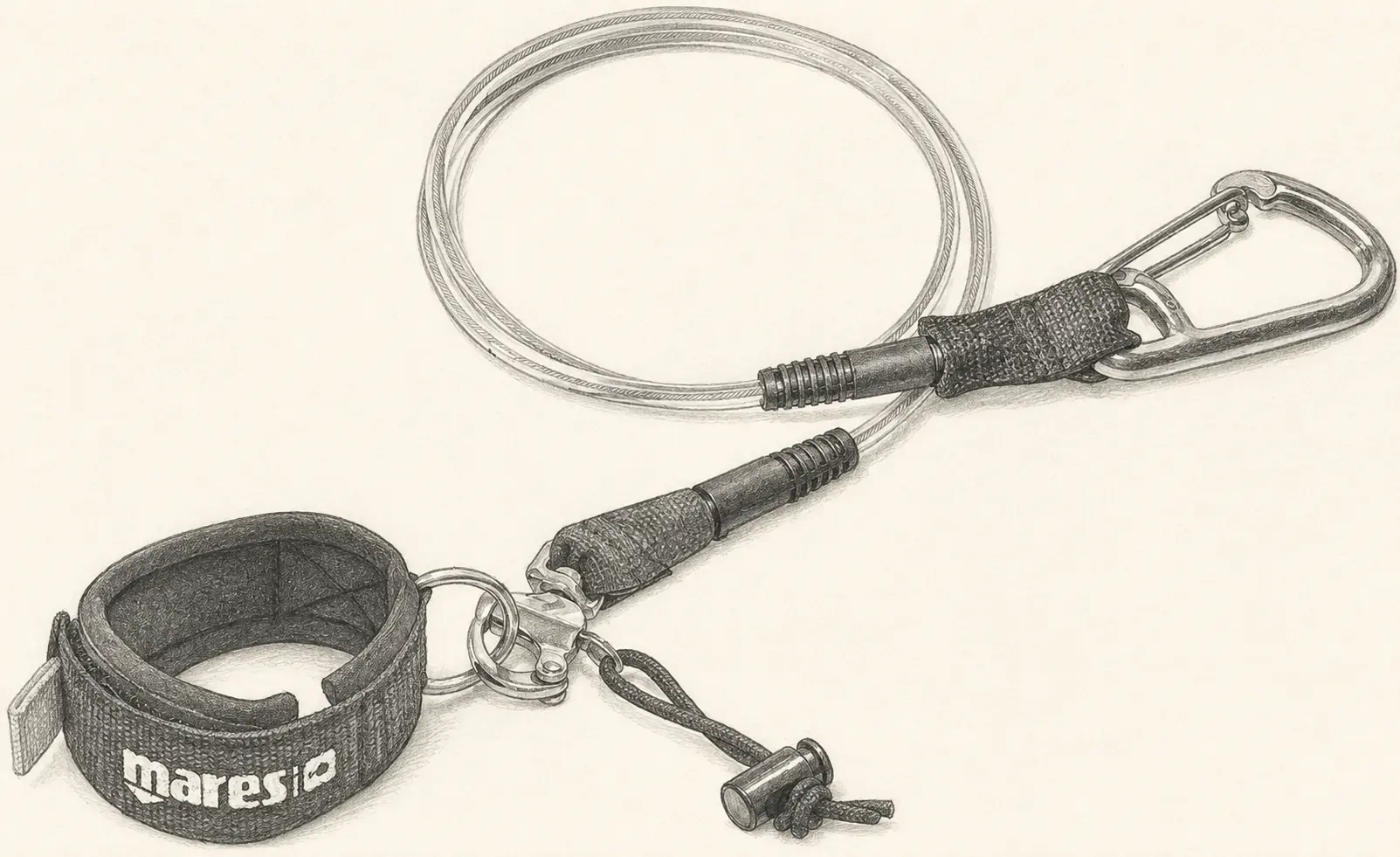
A lanyard keeps the freediver connected to the dive line during a constant-weight dive, limiting how far they can move away from it. Its function becomes clear when its five components are followed from the wrist to the line. The wrist strap holds the connection on the diver; the swivel prevents twisting; an inflexible cable leads to a carabiner that moves along the dive line. The fifth component is the quick release, allowing the diver to disconnect when necessary. This may be part of the wrist strap or a snap shackle between the strap and cable. The carabiner opening must accommodate the line, and the line itself needs a stopper to keep the lanyard from reaching and tangling with the bottom weight. These parts form a connected system whose use is learned during open-water training.
Free purchase counselingBack to index ↑06 / 10
Freediving buoys
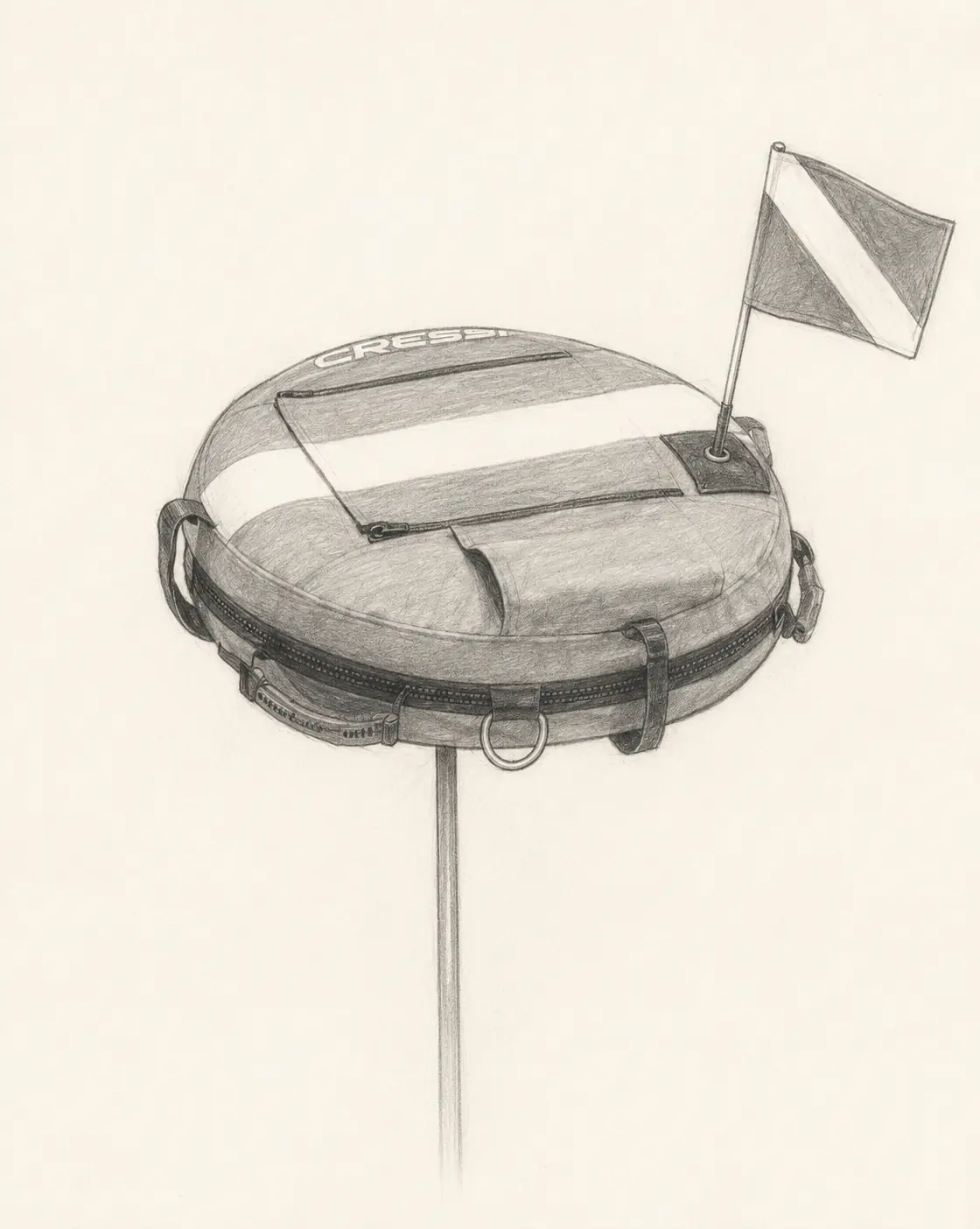
The buoy is the surface platform of a depth-training system. Together with the dive line, bottom weight, carabiners, and surface line, it provides support, storage, and a place to rest. Its flotation must be sufficient for a freediver to pull up on the dive line when needed. The usual design combines an inflatable inner chamber with a protective outer shell. Handles and storage space make it useful, but the attachment points are central to its function: the main reinforced point sits underneath, with an additional attachment on the side. Bright color and the option to carry a dive flag improve visibility. A floating surface line connects the system to a boat or fixed anchor line when available. During the session, spare dive line belongs stowed inside the buoy rather than left loose where it may entangle divers.
Free purchase counselingBack to index ↑07 / 10
Nose clips
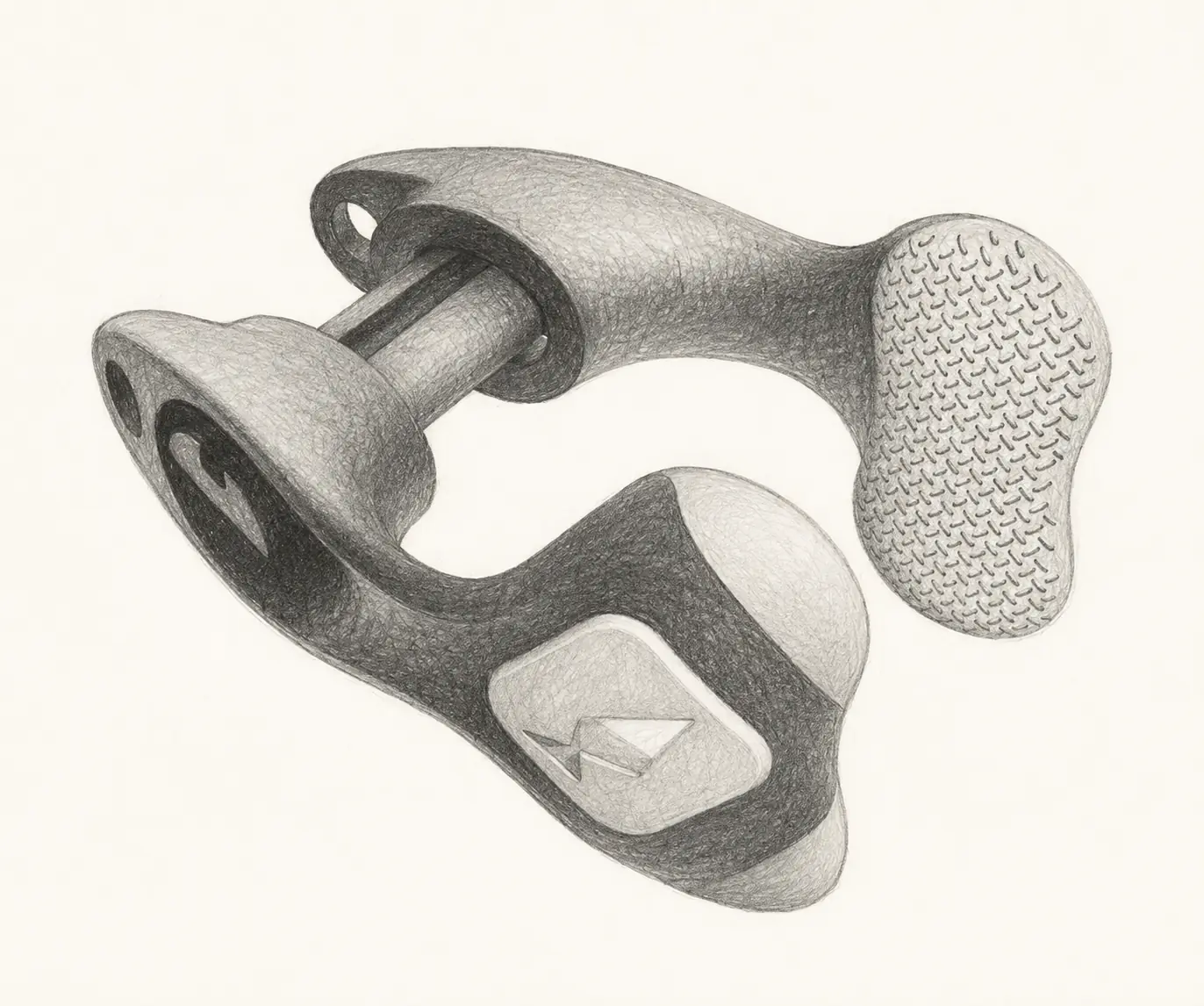
A nose clip closes the nostrils so the freediver can equalize without bringing a hand to the nose. Most models are used without a mask, either alone or with suitable goggles. Removing the mask also removes the need to equalize its air space. The practical advantage is continuity: during free immersion or no-fins diving, the arms can keep working without interrupting their rhythm to pinch the nose; in a streamlined position, they can remain alongside the body or overhead. There are limitations to consider before making the change. Vision is restricted without goggles, water moving across the uncovered face may feel uncomfortable, and a loose clip can allow air to escape during equalization. Finding the right fit may mean trying several models. The benefit depends on a secure seal and a setup that suits the discipline.
Free purchase counselingBack to index ↑08 / 10
Dive line and bottom weight
The dive line gives the freediver a route to follow and a support to pull on, but it also has to work as part of a retrievable system. A braided, low-stretch line is important: stretching changes the reliability of its markings and the support it provides. Its markers show distance from the bottom weight, not automatically the diver’s depth. The bottom weight keeps the line vertical. Too little can make the line difficult to use, especially in waves or current; too much reduces the buoy’s available flotation and makes retrieval harder. A stopper keeps the lanyard away from the weight. Depth adjustments must also account for anyone below and the seabed: the weight is lowered under control, while unused line is gathered and stowed to reduce entanglement risk.
Free purchase counselingBack to index ↑09 / 10
Dive computers
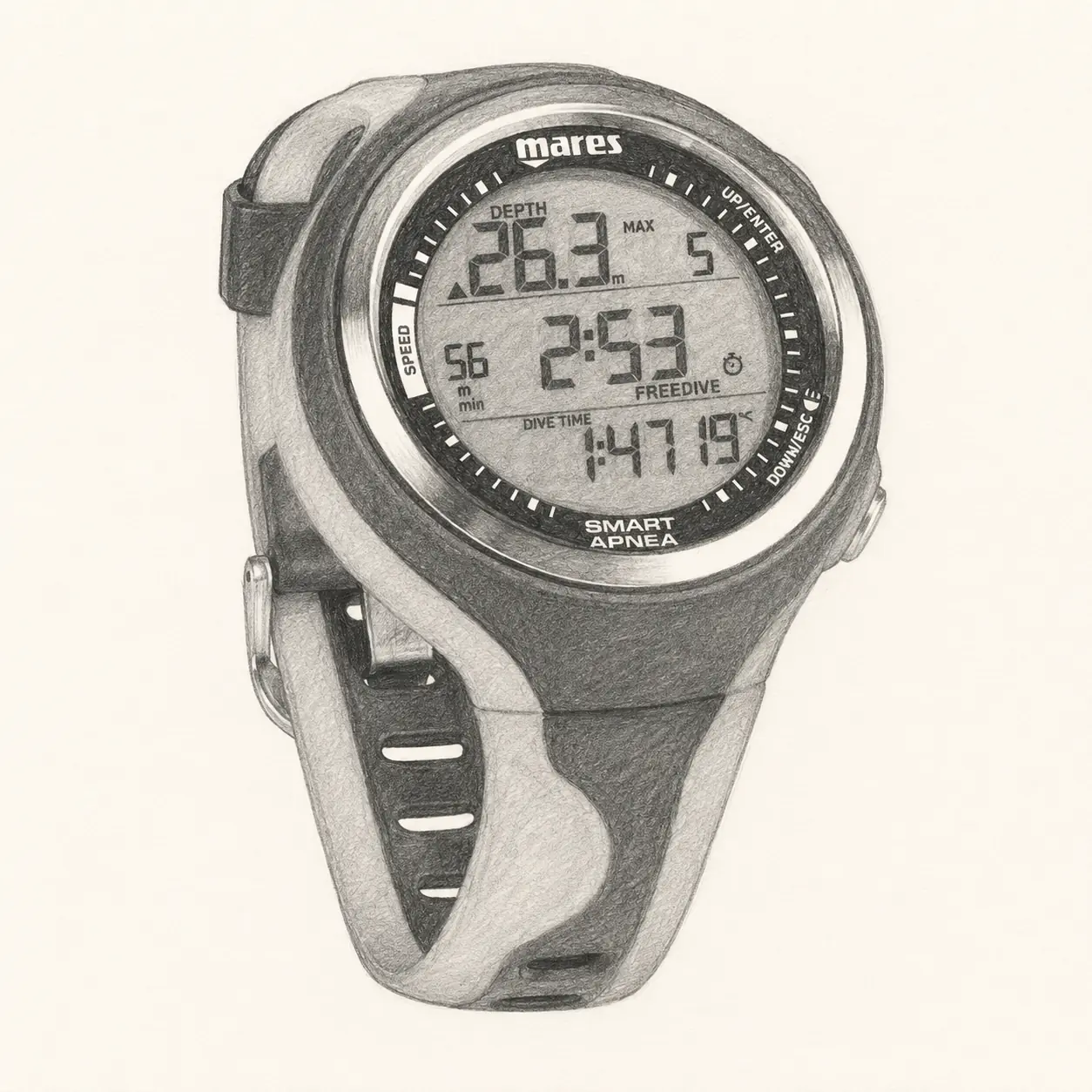
A freediving computer links the plan before a dive with information recorded afterward. It tracks depth, dive time, and surface intervals; other useful functions include alarms, temperature, a stopwatch, and dive history. Audible alarms can signal a planned depth or phase without repeatedly looking at the screen. Detailed review belongs after the dive, when the profile can be compared with earlier dives to examine descent and ascent. A reminder is different from a decision: the diver should respond to their own signals and surface when needed, rather than wait for a timer. Before use, the manufacturer’s manual needs to be understood. A useful computer is one whose freediving functions you know how to set, hear, and interpret.
Free purchase counselingBack to index ↑10 / 10
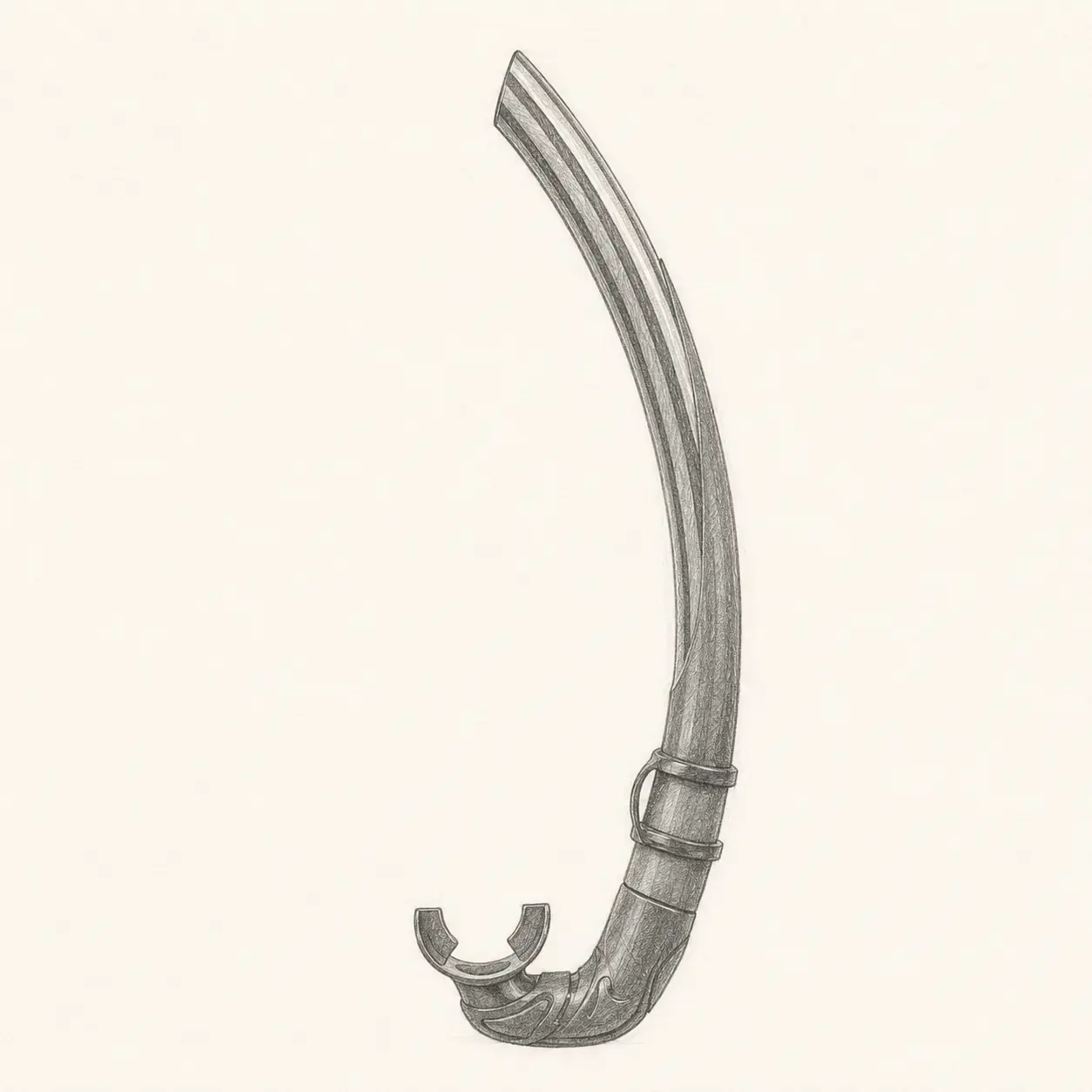
Snorkels
The snorkel belongs to the surface part of the dive. It lets the freediver breathe with the face in the water, without repeatedly lifting the head, and lets a buddy watch the diver below while continuing to breathe. A simple design is preferable: added valves and splash-prevention mechanisms can bring extra bulk and weight. The two main selection criteria are comfort and low breathing resistance. The tube should sit close to the head, remain upright, and still feel comfortable under the mask strap. Tube length and bore size matter because they affect breathing resistance and the volume of exhaled air retained inside. The mouthpiece is removed for the freedive and replaced only after recovery breathing. Understanding that sequence is part of understanding what the snorkel is for.
Free purchase counselingBack to index ↑