Research · observation · field practice

Journal

Nine critical readings in freediving science, followed by a documentary gallery of training and teaching.

Articles

The paper is the starting point. Each review separates what was observed, what remains uncertain, and what the finding means in the water.
Documentary photograph
01 / 094 min read

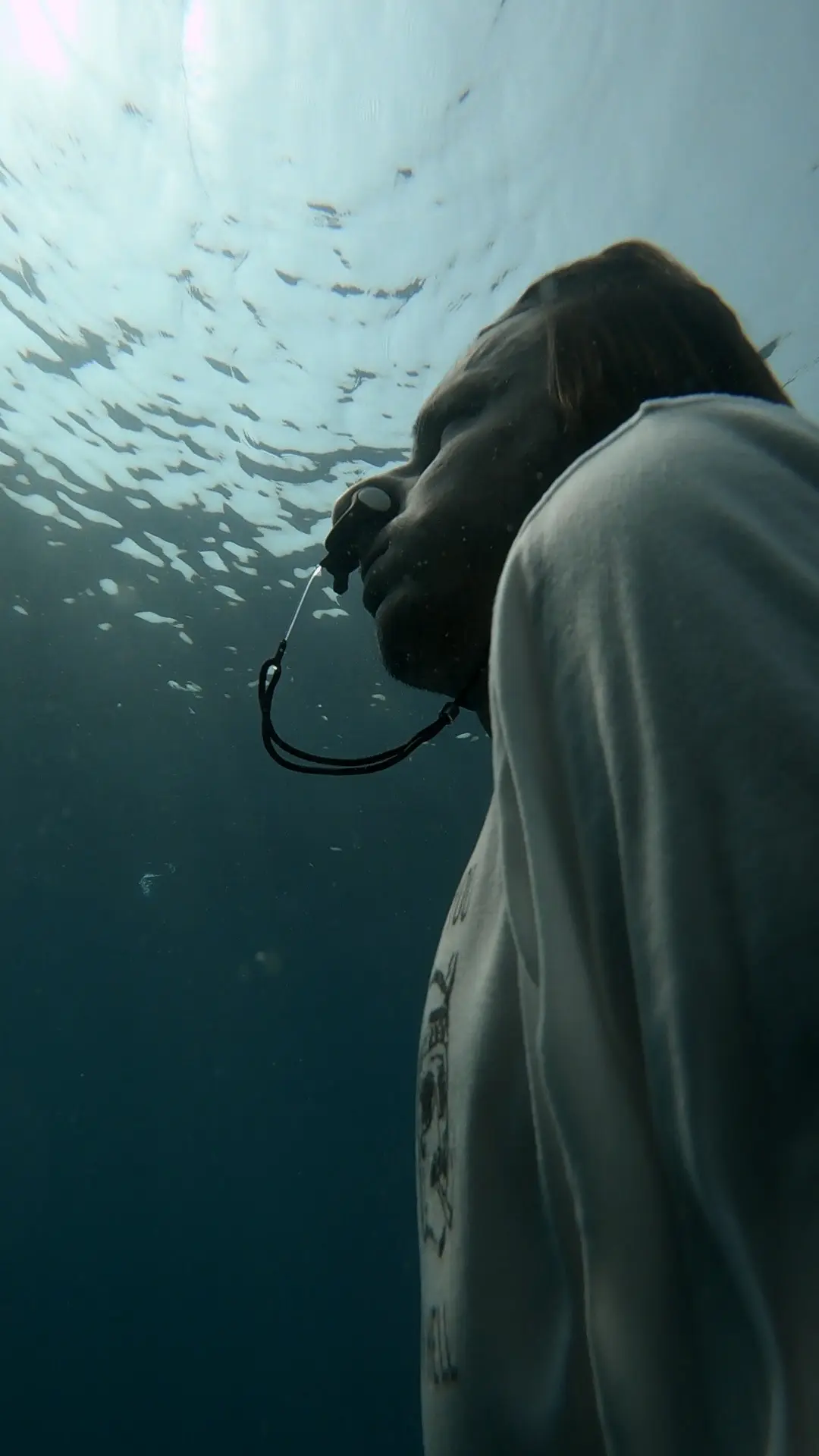
The Quiet Ascent Is Not a Quiet Brain

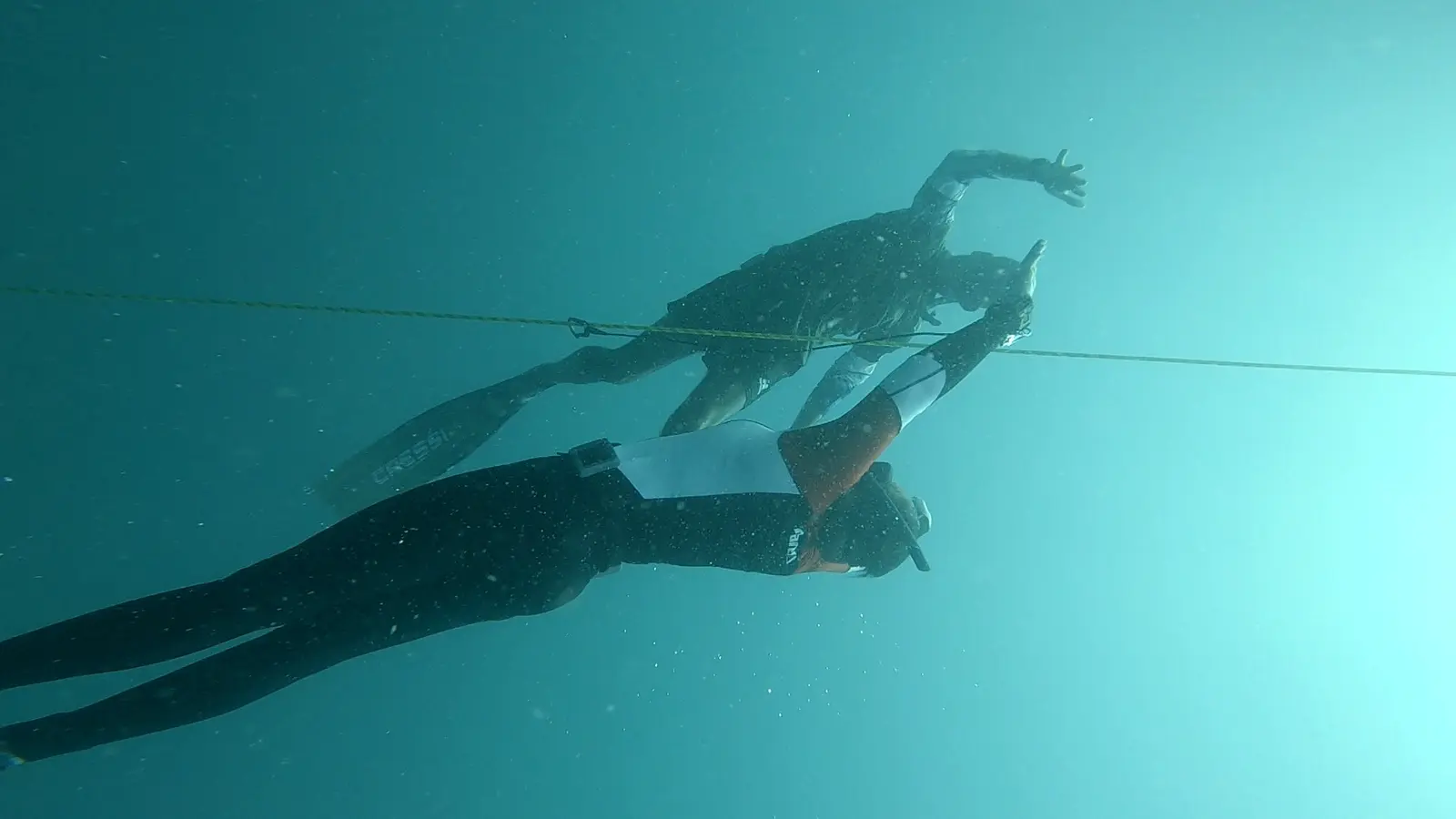
A waterproof optical sensor followed elite freedivers into depth. What it saw was not a smooth descent into calm, but a sharply changing circulation whose most dangerous chapter may begin on the way home.

Read article
Documentary photograph
02 / 094 min read

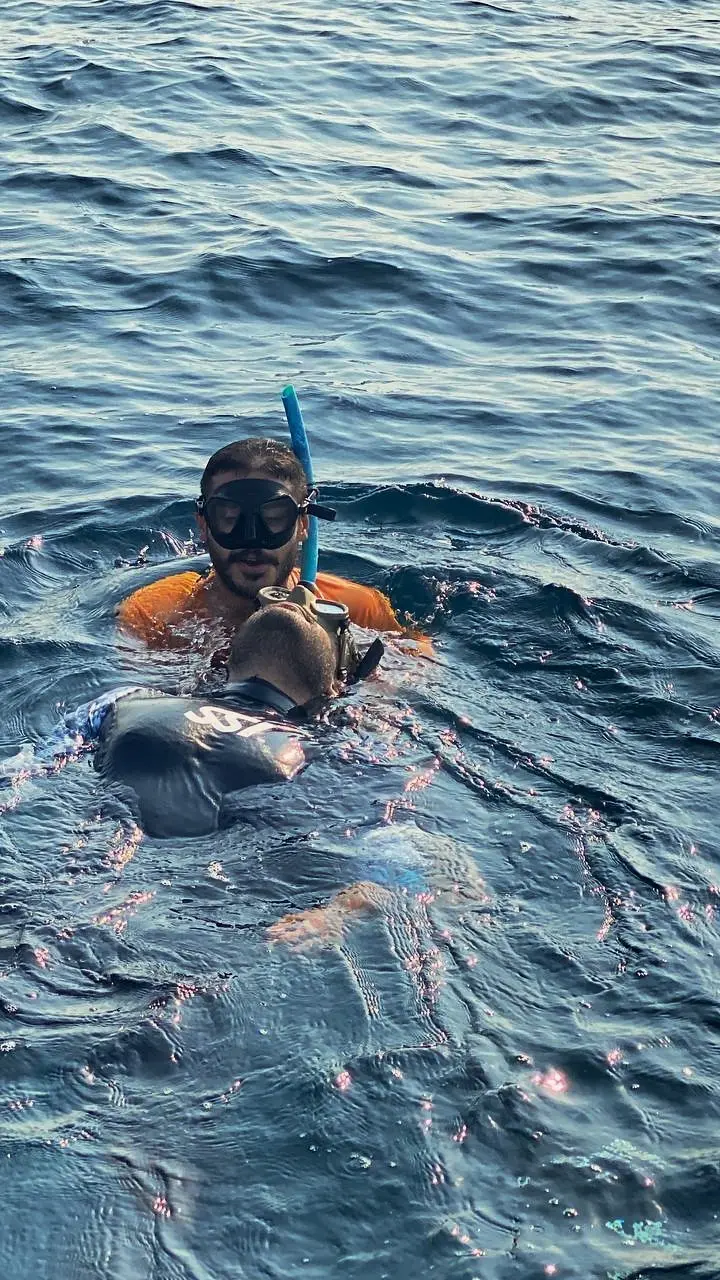
Pressure Makes Oxygen Abundant—Until It Does Not

Arterial blood drawn at depth reveals a dramatic paradox: oxygen can rise under compression, then collapse during ascent, while the lungs show silent signs of stress.

Read article
Conceptual illustration
03 / 094 min read

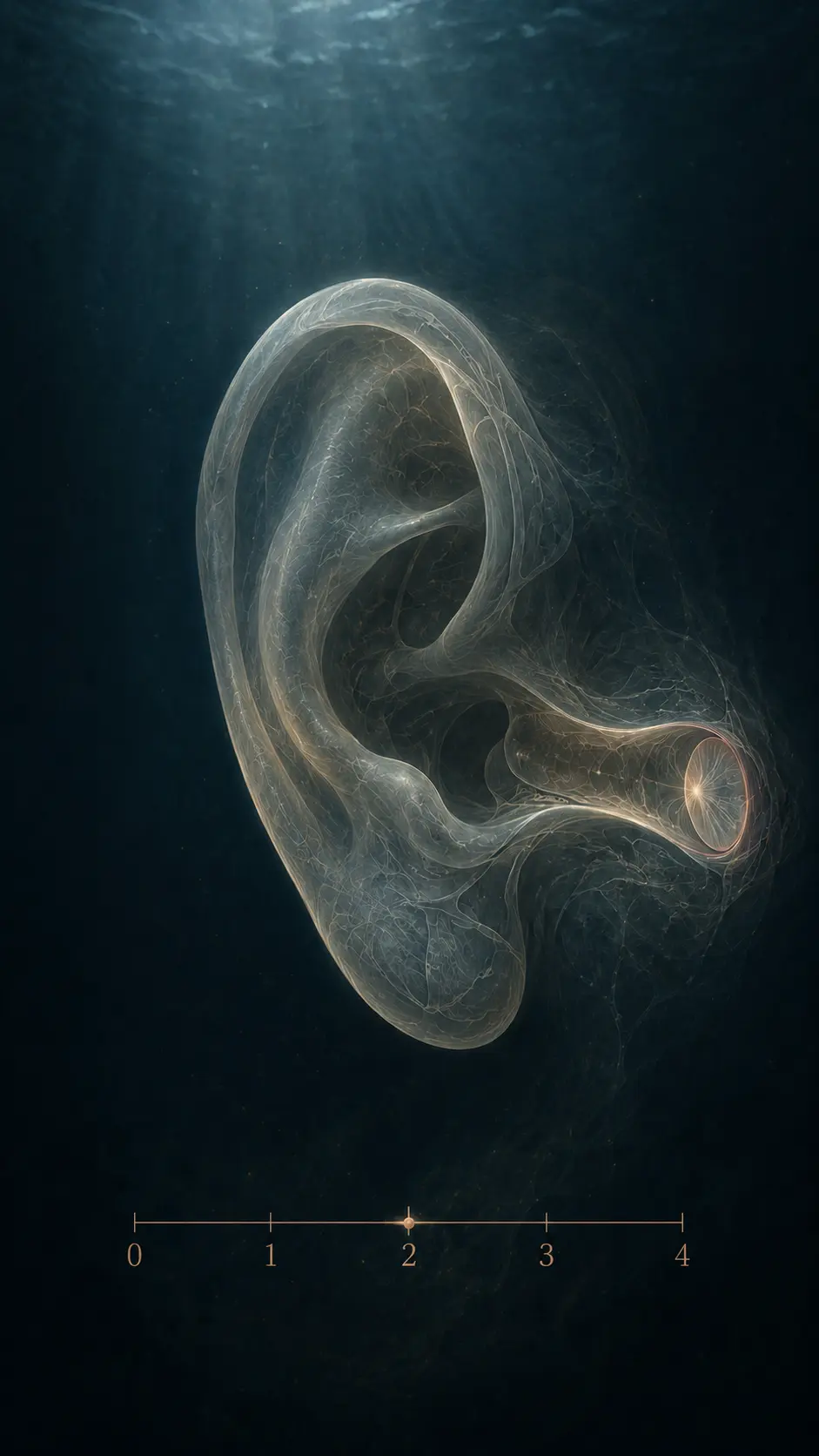
The Ear Remembers Every Descent

One session, 317 dives and repeated examinations show that middle-ear stress can accumulate even when the water is familiar and the diver is experienced.

Read article
Conceptual illustration
04 / 094 min read

A Number for the Moment the Ear Says No

The Equalization Problems score tries to turn an underwater sensation into a clinical record. Its promise is communication; its danger is pretending a first scale is already a diagnosis.

Read article
Source-paper figure
05 / 094 min read

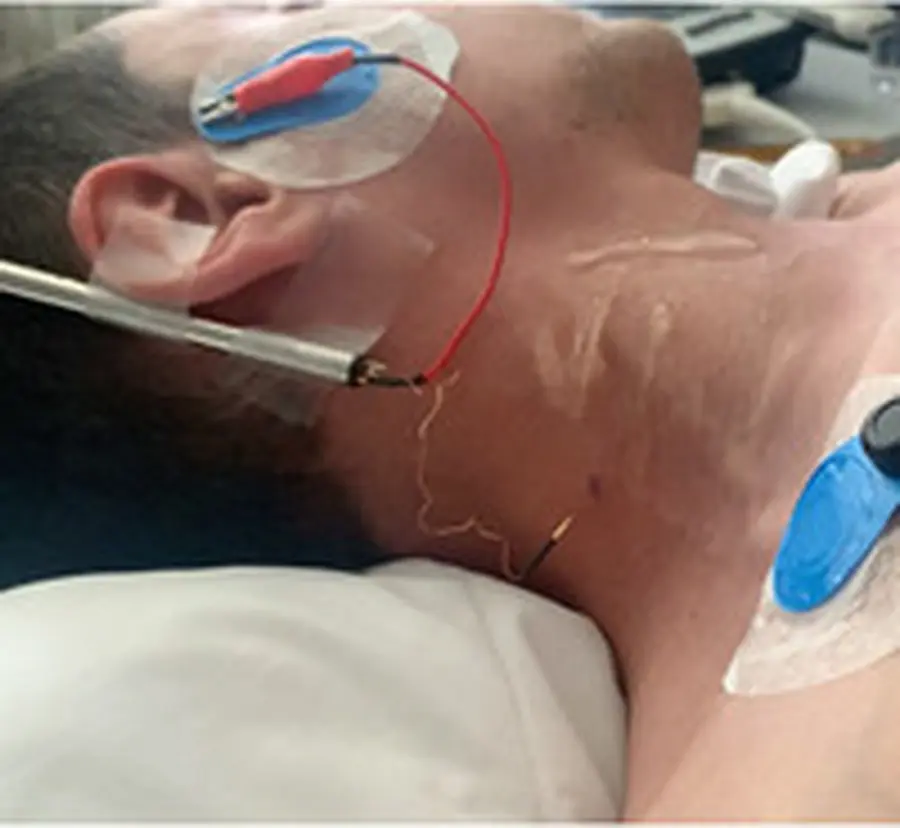
Listening to the Vagus, Hearing No Single Answer

A microelectrode entered the cervical vagus nerve while trained divers held their breath. The hypothesis was elegant; the negative result may be more valuable.

Read article
Conceptual illustration
06 / 094 min read

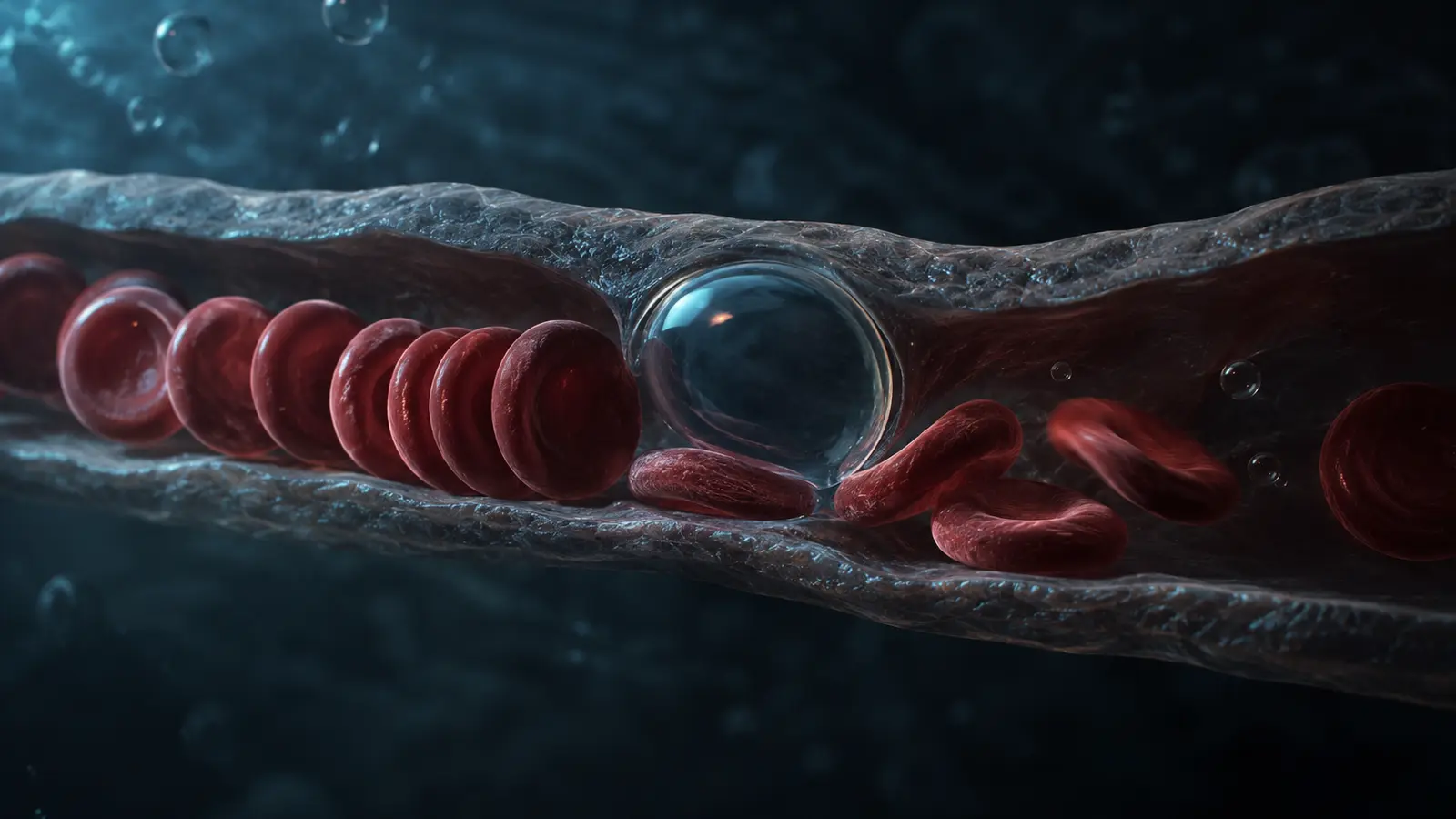
The Bends Without a Tank

Breath-hold diving was once treated as nearly exempt from decompression sickness. A long clinical record says otherwise—and the symptoms often look neurological.

Read article

Editorial documentary image
07 / 094 min read

The Women Who Made Adaptation a Livelihood

Jeju's Haenyeo are often presented as proof of extraordinary human adaptation. The stronger story is both more modest and more demanding: a living community whose biology, labour and history must be studied together.

Read article
Documentary photograph
08 / 094 min read

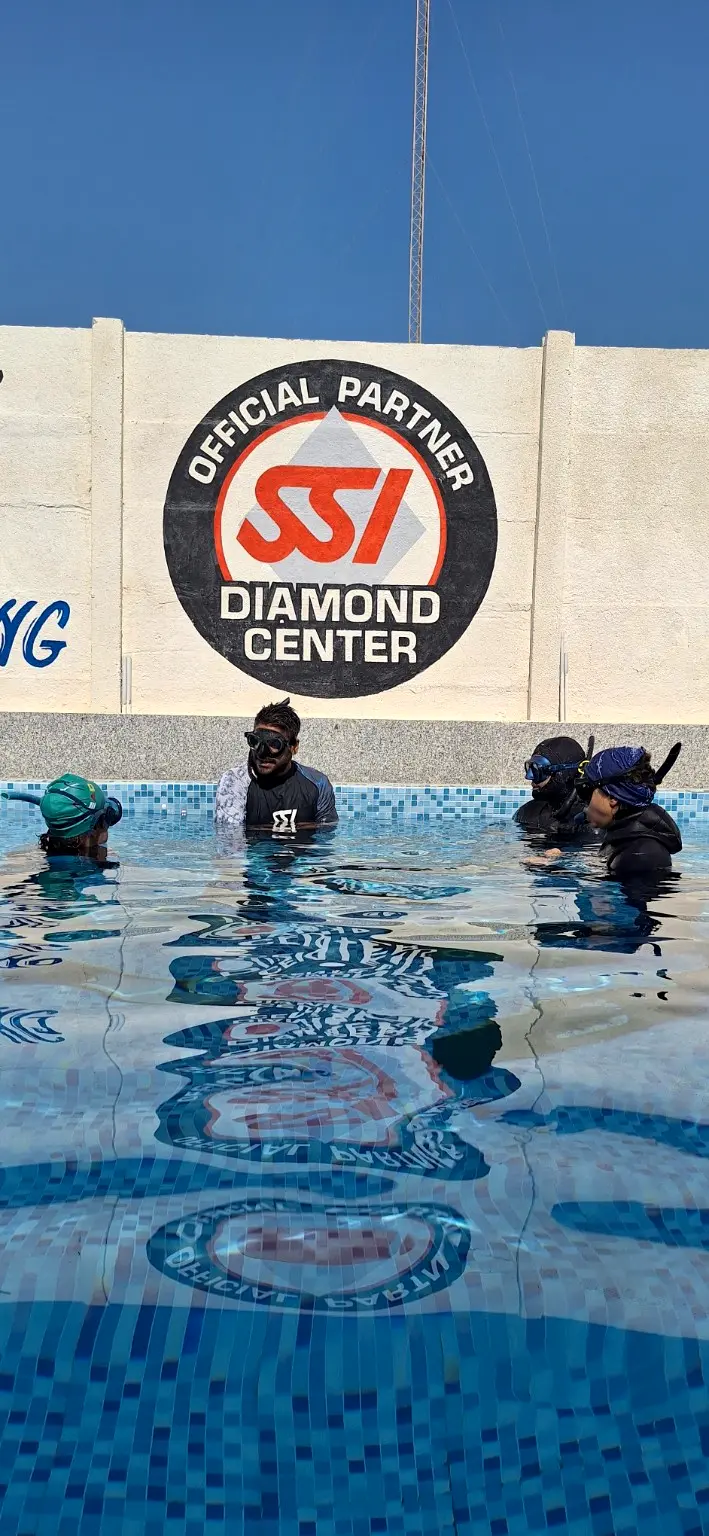
A Body Taught by a Community

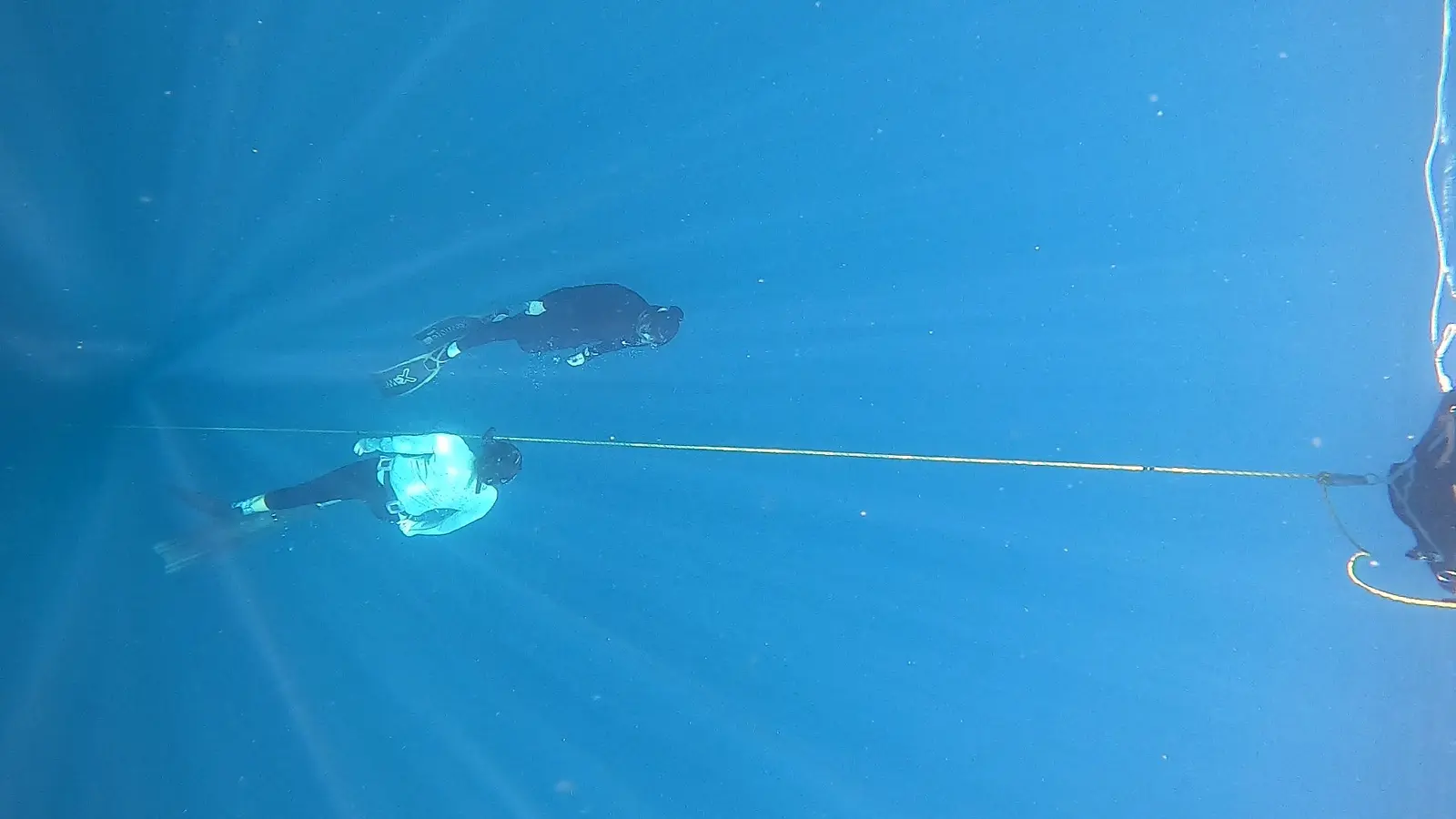
Freediving skill is not simply a larger lung or stronger will. It is attention, technique, physiology and meaning assembled through practice with other people.

Read article
Conceptual illustration
09 / 094 min read

A Field Coming Up for Air

A broad review maps what breath-hold science can now measure—and how much of its confidence still rests on small samples, dry laboratories and exceptional athletes.

Read article
Download the illustrated bilingual journal

Related questions

Five answers for what comes next

Questions selected for this page, with concise and clear answers.

01What is Frenzel equalization?

Frenzel equalization is a pressure-equalization technique that uses controlled movement of the tongue and upper airway to send a small amount of air toward the middle ear. It is different from forcing air with the chest. A qualified instructor should teach the anatomy, coordination, and limitations rather than reducing Frenzel equalization to a single trick.

02What is a blackout in freediving?

A freediving blackout is a loss of consciousness associated with inadequate oxygen to the brain, often near the surface or during recovery. It is an emergency, not a normal training milestone. Prevention depends on conservative planning, no hyperventilation, trained supervision, a buddy system, and a competent response plan.

03What is lung squeeze in freediving?

Lung squeeze is a pressure-related injury or symptom pattern involving the lungs during descent. Chest discomfort, coughing, breathing difficulty, or blood-tinged fluid are not signals to continue. Stop the dive and seek appropriate medical assessment. This topic requires anatomy-aware teaching and should never be used to promote deeper diving.

04Can I freedive after scuba diving?

Freediving after scuba diving requires conservative planning because the activities expose the body to different breathing and pressure conditions. Do not assume that being comfortable in scuba makes a freedive immediately appropriate. Follow current training guidance, allow the appropriate interval, and ask a qualified professional when the situation is unclear.

05What is the dive response?

The dive response is a set of physiological responses that can occur during breath-hold and immersion, including changes in heart rate and circulation. It is a normal human response, not a guarantee of performance or protection. Learning about the mammalian dive reflex helps explain adaptation, but it does not replace training or safety procedures.

Explore all FAQs