Skill is more than instruction
Greg Downey treats freediving as a case of embodied culture: skilled activity grows from automatized action, altered attention, cognitive strategy and physiological adaptation inside a community of practice. Divers learn how to prepare, move, equalize, interpret involuntary breathing movements and allocate attention. Some changes are consciously felt; others—blood redistribution, chemoreflexes, splenic contraction—are sub-aware and become knowable through performance, instruments and shared explanation.
Culture helps canalize biology
The article's central claim is not that culture overrides physiology. Patterned practice changes which capacities are developed, when sensations become salient and how motivation is organized. Through repetition, coaching and norms, divers may exaggerate aspects of the dive response, accommodate pressure and change their relationship to hypercapnia. Downey uses canalization and phenotypic plasticity to describe this narrowing of many possible bodies toward a practiced form. The body remains constrained, but the path through those constraints is socially made.
A conceptual synthesis, not an efficacy trial
The paper combines ethnographic and physiological literature; it does not test a training programme, establish that a specific drill causes a specific adaptation, or prove that greater discomfort tolerance is safer. The phrase “CO2 tolerance” can blur several processes: rising carbon dioxide, urge-to-breathe perception, voluntary continuation, buffering, oxygen consumption and learned interpretation. Communities can teach good judgement and mutual care, but they can also normalize risky goals. Embodiment therefore needs an ethical reading: what is trained, toward which end, and under whose safety norms?
The editorial reading
This account gives instructors a deeper job description. They do not merely transfer technique; they shape attention, language, expectations and the meaning of stopping. A mature community teaches that sensations are data, not commands to prove toughness; that skill includes restraint; and that safety is social, not private. The most durable adaptation may be a form of judgement—one built between bodies, not stored inside a single athlete.
Safety note: This is educational analysis, not individualized medical advice or a maximal-training protocol. In-water practice requires trained safety and current standards.
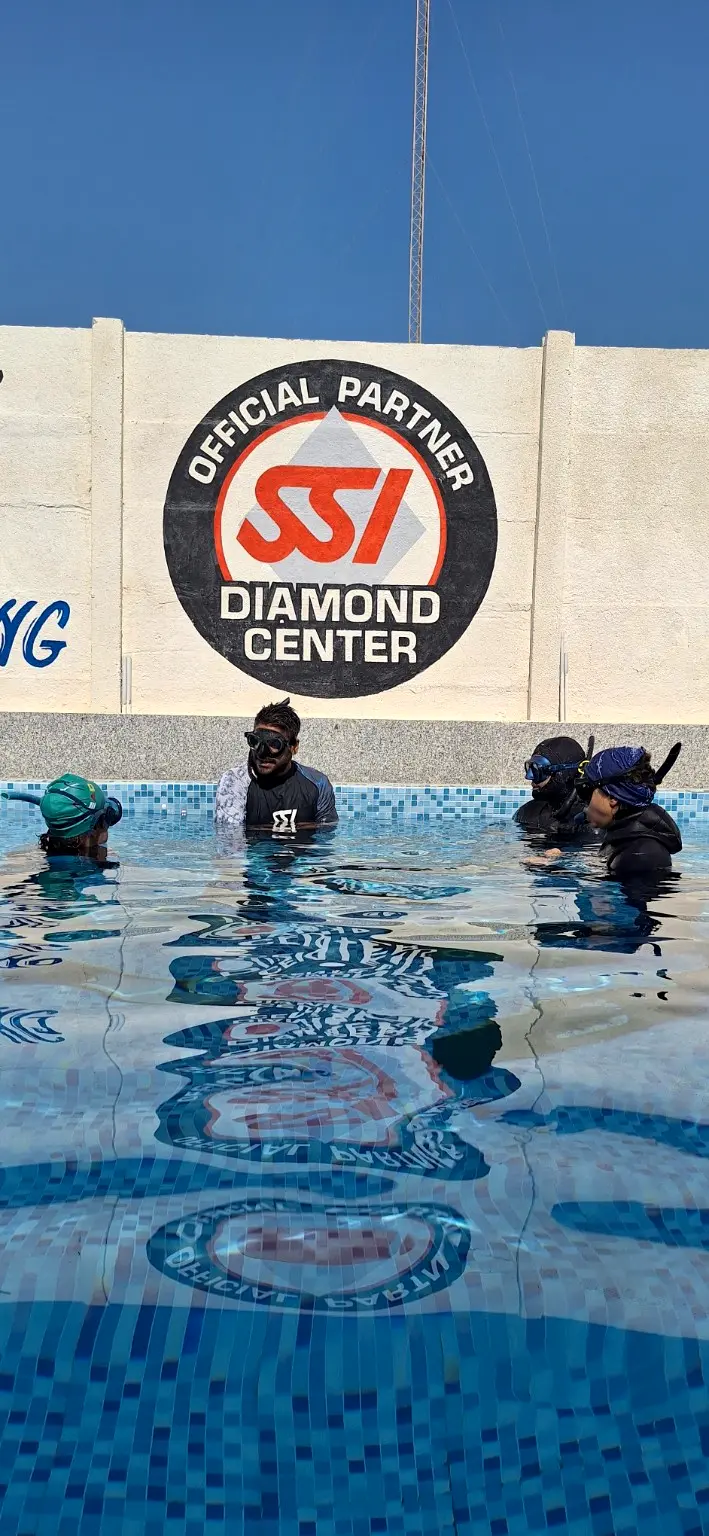
Sina Mehrpooyan training archive; crop and colour treatment prepared for this Journal.